Image: Derrick Kramer
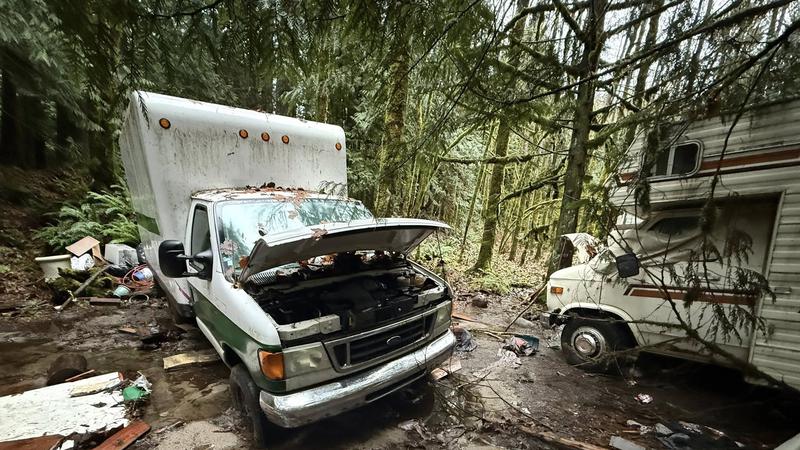
Abandoned homeless camp

Chilliwack cleanup volunteer says govt. slow to act on abandoned homeless camp in the Chilliwack River Valley

Jan 8, 2026 | 12:03 PM

UPDATE, 3:10 P.M. THURSDAY: Ross Aikenhead says one of the three vehicles at the abandoned homeless encampment, a cube van, has since been towed.

“The RCMP were there when I got there today and the VIN (Vehicle Identification Number) showed up as stolen, so they had it removed,” Aikenhead said after a visit to the homeless camp on Chilliwack Lake Road Thursday afternoon.

However, the RV and the motorhome remain at the abandoned camp. Aikenhead said the RCMP told him there was nothing they could do about those two vehicles.

Original story below: 

CHILLIWACK — As someone who’s organized area cleanups for a decade, Chilliwack resident Ross Aikenhead wants to see swifter action from authorities around an abandoned homeless camp containing multiple junked vehicles.

So far, he’s not getting a whole lot of help from the government.

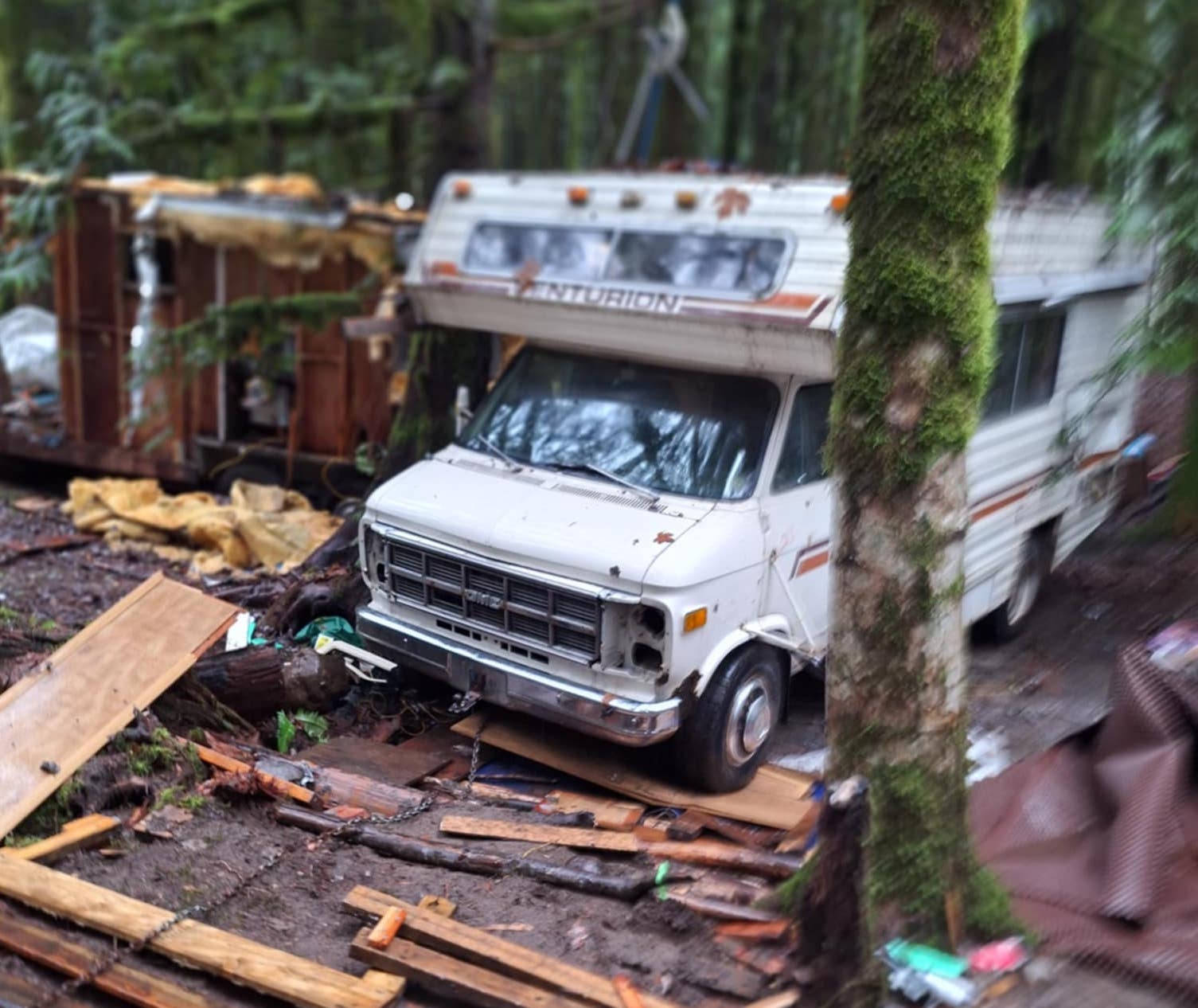
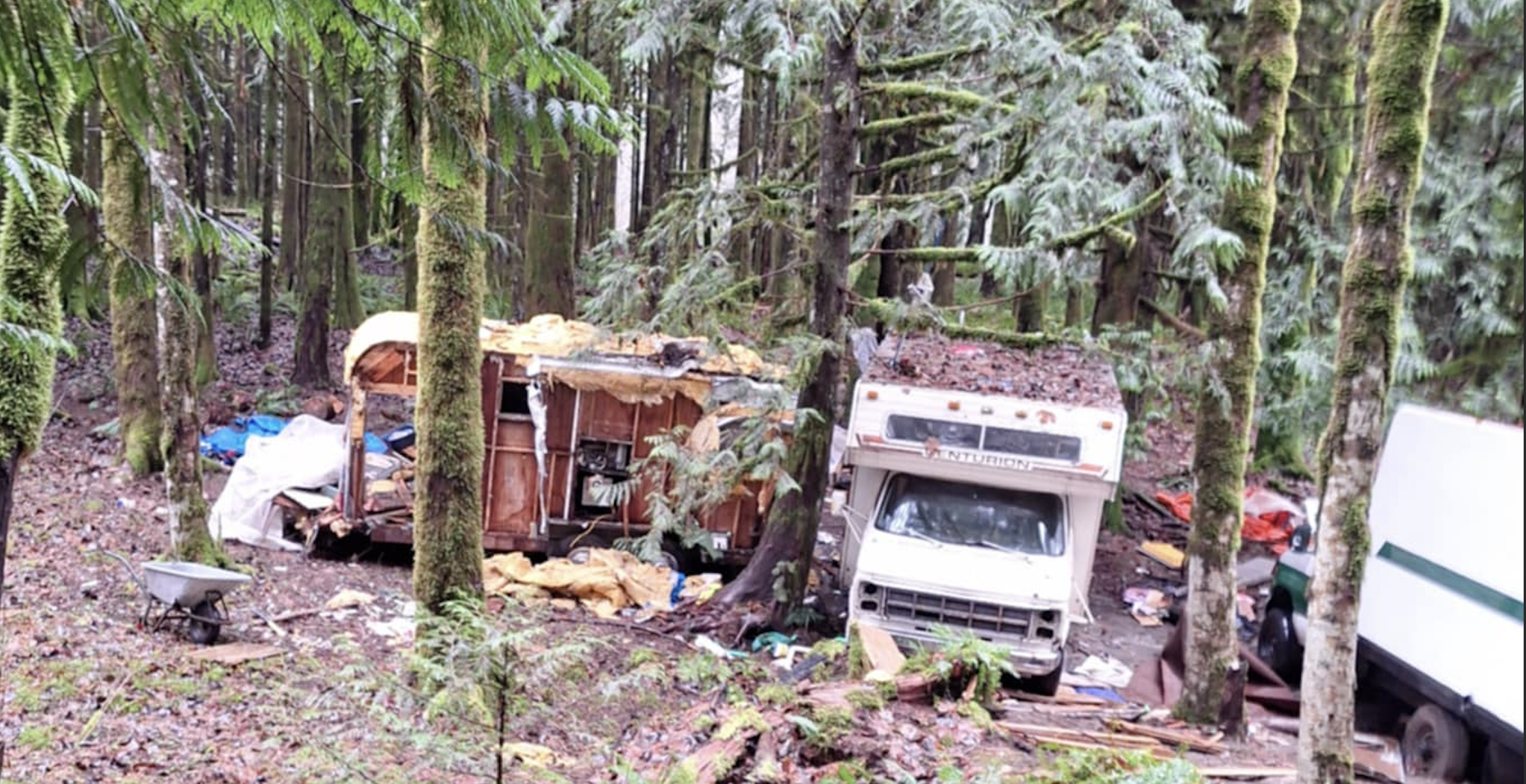
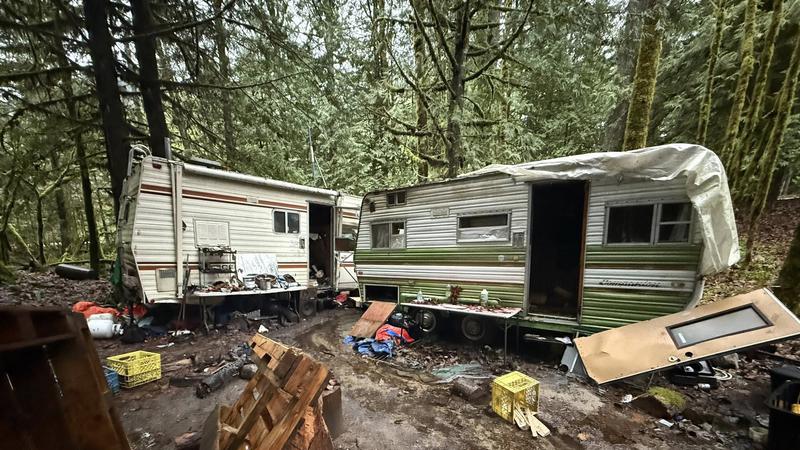
Aikenhead, who’s lived in Chilliwack for over 60 years, says the abandoned homeless camp across from the fish hatchery (55205 Chilliwack Lake Road) was discovered in December 2025. It consists of two dilapidated recreational vehicles, a cube/panel van and myriads of other garbage.

Image: Ross Aikenhead

Unfortunately, cleanup volunteers simply aren’t permitted to go in and remove the vehicles, as bad as they constitute visual blight. Aikenhead says only a branch of the provincial government can authorize their removal. In other words, there’s a bureaucratic, cumbersome process involved, he said.

“I’ve been doing volunteer wilderness cleanups for over 15 years,” Aikenhead said. “Ten years ago, I started to organize my own. When I first started volunteering illegal dumping was the big issue, that still happens a bit but has basically mostly gone away. Now unfortunately, homeless encampments are a huge issue. There are existing laws to prevent these issues but sadly they aren’t enforced. I reported issues such as unlawful encampments, abandoned vehicles and RVs and illegal dumping for 7 years to the RAPP line and absolutely nothing was done about any of it. I’ve dealt with every agency I can think of along the way and it’s been what I call the government agencies’ pass-the-buck around, merry-go-round of ice cream headaches.”

Image: Ross Aikenhead / Another view of the abandoned homeless camp.

On Thursday, December 18, 2005, Aikenhead notified the Chilliwack Ministry of Forests office and Chilliwack-Cultus Lake MLA Á’a:líya Warbus about the abandoned camp across from the Chilliwack River Salmonid Enhancement Facility (fish hatchery).

“We now have the funding to remove this issue thanks to Ts’elxwéyeqw Tribe Management Limited. Could we please have authorization to remove the vehicles and debris?” Aikenhead wrote to the province and Ms. Warbus. “This is an unlawful encampment and has been abandoned for at least a week now. I was up there yesterday and there was a small stream flowing through the camp and running into Slesse Creek. My belief is we all need to help each other and the only planet we have as our home. Thank you for your time and look forward to your response.”

Aikenhead got a response from Randall Dayton, a provincial resource manager for the Chilliwack Natural Resource District at 46360 Airport Road in Chilliwack.

“As the cleanup of abandoned vehicles and debris does not fall under a forest authorization, this request should be directed to Lands for further guidance,” Dayton told Aikenhead via email on Friday, December 19. “I have cc’d Tom Yacyhen, Licensed Land & Resource Specialist with the Permitting Transformation Division as he would be best suited to direct you to the support you are looking for. Additionally, because this situation involves an unlawful encampment and potential environmental concerns, we encourage you to submit a Natural Resource Violation (NRV) report.”

The NRV report is made through the RAPP line, something Aikenhead said he did for seven years but got nowhere with government authorities.

Aikenhead then got a reply from Yacyshen himself on Friday, Dec. 19.

“I got your voicemail this morning. The clean up of abandoned vehicles on Crown land falls within the jurisdiction of the RCMP,” Yacyshen said. “They need to tag it for 72 hours while they try to determine who the owner is or if it was used in a crime or stolen etc. It is the RCMP, Chilliwack detachment, that will then issue the authority to remove. Take photos for them and note the location (GPS if possible) when reporting, include a photo of the vin number and license plates if possible. If the vehicle is a safety hazard, RCMP will prioritize removal. Thank you for your efforts to clean up the Chilliwack River Valley. Best regards, Tom Yacyshen.”

Image: Derrick Kramer

Aikenhead says it’s actually up to the provincial Natural Resources office to authorize the removal, and says the RCMP aren’t involved. He says he’s got the funding lined up thanks to a donation from Ts’elxwéyeqw Tribe Management Limited to the Chilliwack Vedder River Cleanup Society. The funding amount is approximately $3,000, he said.

“It’s all part of the bureaucratic nightmare of jurisdiction, nobody communicates and nobody works together with the government agencies,” Aikenhead said.

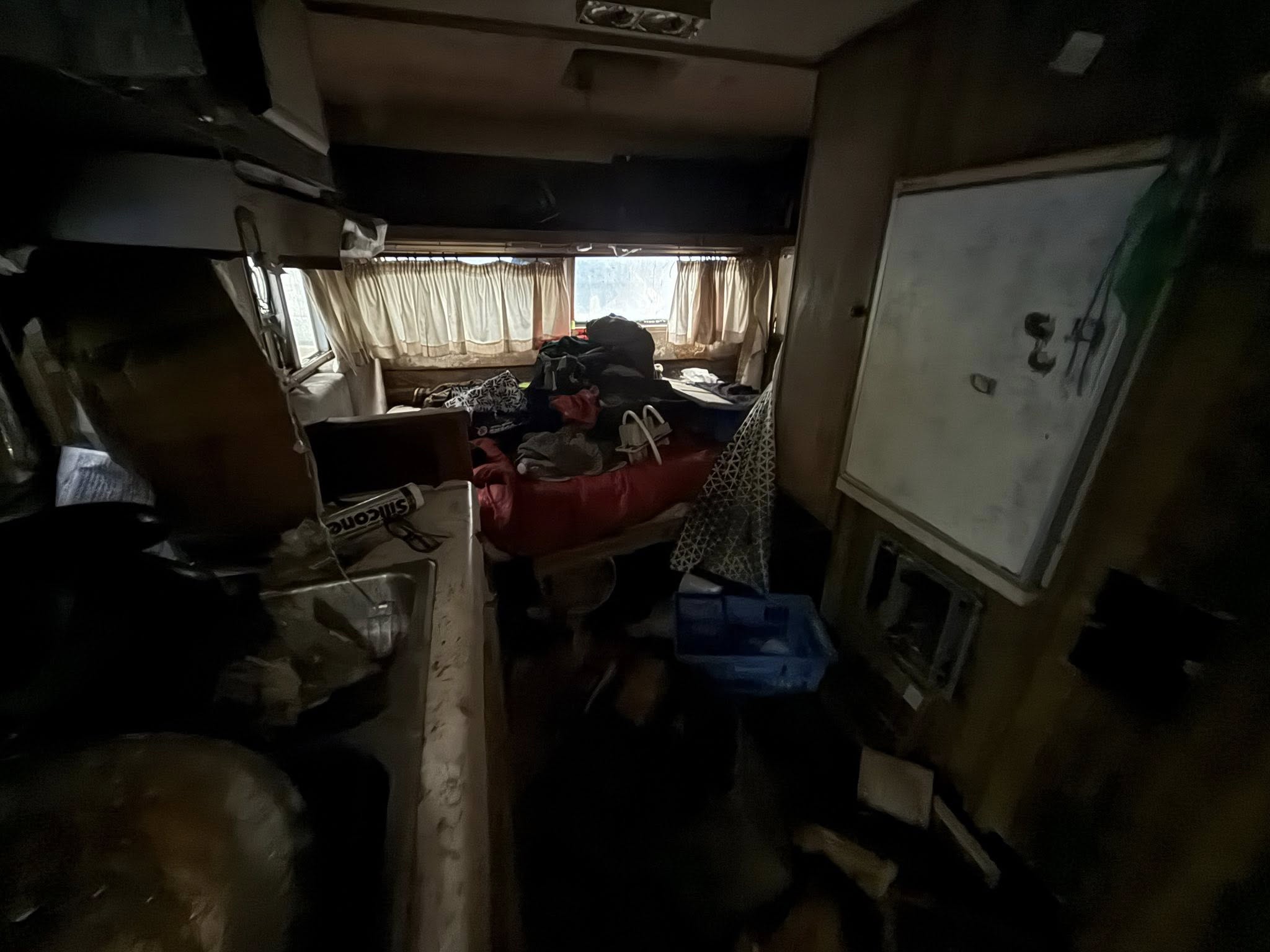
Image: Derrick Kramer / Interior of an abandoned vehicle at the homeless camp.

As of Thursday morning, January 8, Aikenhead says he’s attempted to phone an NRO supervisor, Brian Bubela, three times with no response thus far.

“We need his authorization to remove the vehicles at the camp across from the Hatchery,” Aikenhead said. “The whole thing is just totally frustrating. I have the funding, I have everything in place to clean up that camp. I just need the authorization to remove the vehicles.”

Scavengers have also removed the aluminum siding from the RV for scrap metal and gone through the camp while it awaits some level of government authorization to remove the vehicles in question.

“The longer those RVs and vehicles sit there, the more chance there are that they will get torched,” Aikenhead noted. “Unfortunately that’s fairly common and it releases all sorts of toxins into the environment, not including the danger of starting a forest fire.”