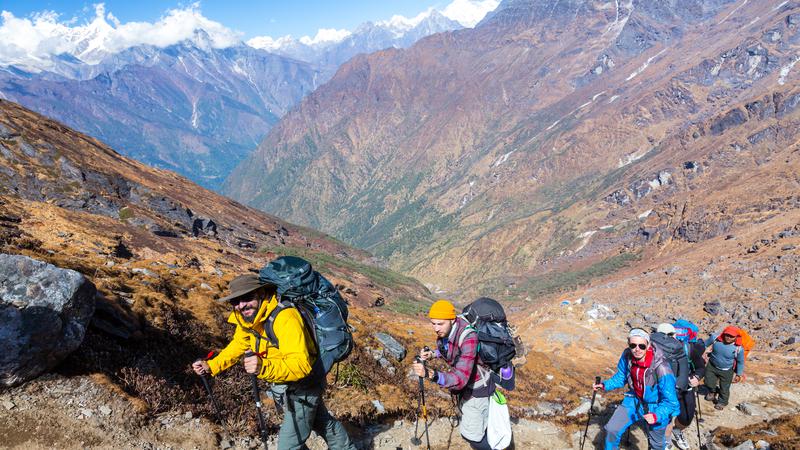
Image: A group of prepared back-country hikers along their journey through mountains. / File / O. Brylov / Dreamstime
Recreational safety

Upper Fraser Valley RCMP urge preparedness ahead of B.C. Day long weekend

Aug 2, 2024 | 3:40 PM

CHILLIWACK — Following three emergency rescues in a three-hour span last week, the RCMP Upper Fraser Valley Regional Detachment is urging all back-country hikers to ensure they are adequately prepared before venturing out. The call comes as the province enters the BC Day long weekend, one of the most popular weekends for hikers.

According to an RCMP news release, Chilliwack RCMP responded to three separate calls for lost or overdue hikers on July 25.

At approximately 1:15 p.m., a distress alert was received from Garmin International regarding hikers lost in heavy fog on Mount Slesse. A Search and Rescue (SAR) team was deployed, and the hikers were airlifted to safety.

Less than an hour later, at 2:10 p.m., an SOS message was received from two lost hikers near Lindeman Lake. Conflicting messages about injuries led to the launch of a helicopter. Two hikers were rescued from the mountain with minimal injuries and were released into Emergency Health Services care. Police say the hikers were lost and not adequately prepared for their journey.

And then at approximately 4 p.m., the RCMP received a report of overdue hikers from the Flora Lake summit area. SAR, while on an unrelated rescue, confirmed that the hikers’ vehicle was not at the trailhead parking lot. The hikers were located and found to be safe, though they had not properly researched and planned their trip, causing their delay.

“We are grateful that no injuries occurred and that all hikers were safely rescued,” said Staff Sergeant Grant Floris from the Chilliwack RCMP. “However, these incidents highlight the importance of being thoroughly prepared before heading into the back-country.”

In light of the incidents, the RCMP detachment released safety tips for those headed into the backcountry.

They say hikers need to research and familiarize themselves with their destination. Read up on conditions to help make the best plan for your day.

Wear or carry suitable clothing and proper footwear. Dress in layers to regulate body temperature and adjust to sudden weather changes.

Be aware of cellular and satellite coverage in the area. Ensure your phone is fully charged, and carry an extra battery pack and cord. A two-way radio system and a Personal Locator beacon are great backups.

Know which animals are in the area and how to react if you encounter them.

To avoid injury and exhaustion, consider training to improve your fitness if planning a longer or more arduous hike.

And police say it’s most important to pack the ten essentials for hikers: a flashlight and spare batteries and bulb, fire-making kit, signaling device such as a whistle or mirror, extra food and water, extra clothing, navigation or communication aids, a first aid kit, an emergency shelter, a pocket knife and sun protection.

Police also recognized the work of Search and Rescue volunteers, saying their dedicated efforts, improve the safety and well-being of those who travel into the backcountry.