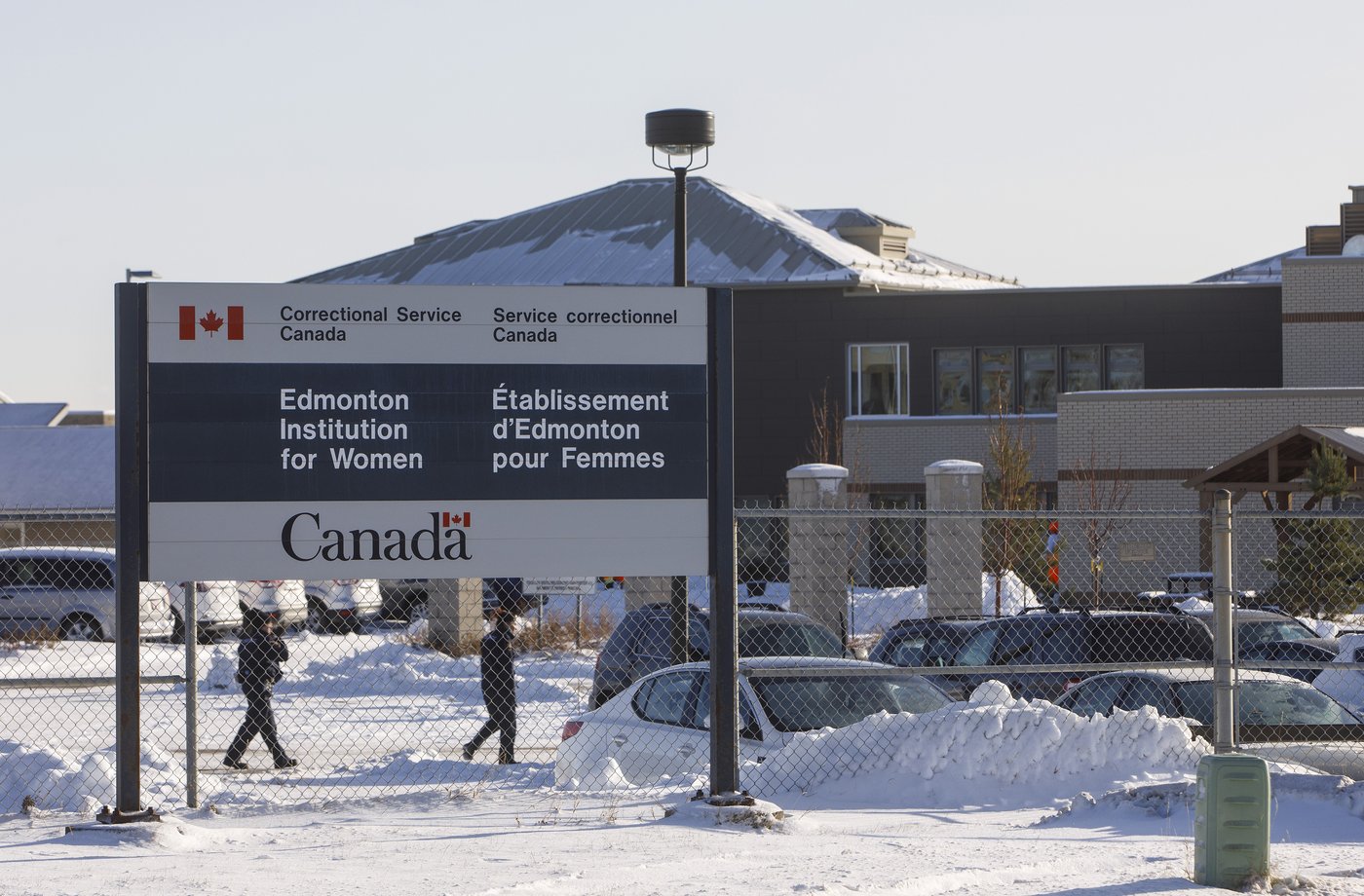
The Edmonton Institution for Women in Edmonton is shown on Wednesday, Nov. 11, 2020. THE CANADIAN PRESS/Jason Franson

Former federal public servant seeks better pensions for injured workers

Sep 26, 2026 | 3:00 AM

OTTAWA — A former public servant is calling for changes to pension rules for workers who have to retire early after getting injured on the job.

Paméla Marchand worked for Correctional Service Canada as a corrections officer for 15 years before her medical retirement at age 39.

Marchand said that after she experienced harassment by colleagues, a psychological injury forced her to leave her job.

Marchand said the situation deprived her of the opportunity to continue her career and reach 25 years of service, which is when front line workers can retire without penalty.

She said she lost salary increases and career progression and missed out on the pension she would have received after a longer career.

“A person who becomes disabled because of their work should not, in addition to losing their ability to work, suffer a permanent loss of the pension rights they would otherwise have continued to accumulate,” she said in French.

“Two correctional officers can suffer an occupational injury in Quebec but not receive the same protection for their pension rights, depending on whether one works for the provincial government and the other for the federal government.”

Marchand launched a petition calling for the pension rules to be changed so that any recognized occupational disability entitles an employee to an immediate pension without penalties, and with continued contributions.

It also calls for the continuation of employer contributions during a severe and prolonged disability, and for federal rules to be more consistent with provincial workers’ compensation systems.

“What I hope is that the government will genuinely examine the interaction between the different systems and establish clear protection for federal workers whose careers end prematurely because of an occupational disability,” Marchand said in French.

Marchand’s petition has received more than 1,140 signatures and will be presented in the House of Commons by NDP MP Don Davies on Oct. 7.

Davies said in an email that sponsoring petitions is an important way for MPs to facilitate citizen feedback to Parliament and does not necessarily imply endorsement of the contents.

“In this case, I wanted these workers to have the opportunity to express what they see as inequities in the way pensions are calculated for disabled workers, notably via occupational injury,” he said.

This report by The Canadian Press was first published Sept. 26, 2026.

Catherine Morrison, The Canadian Press