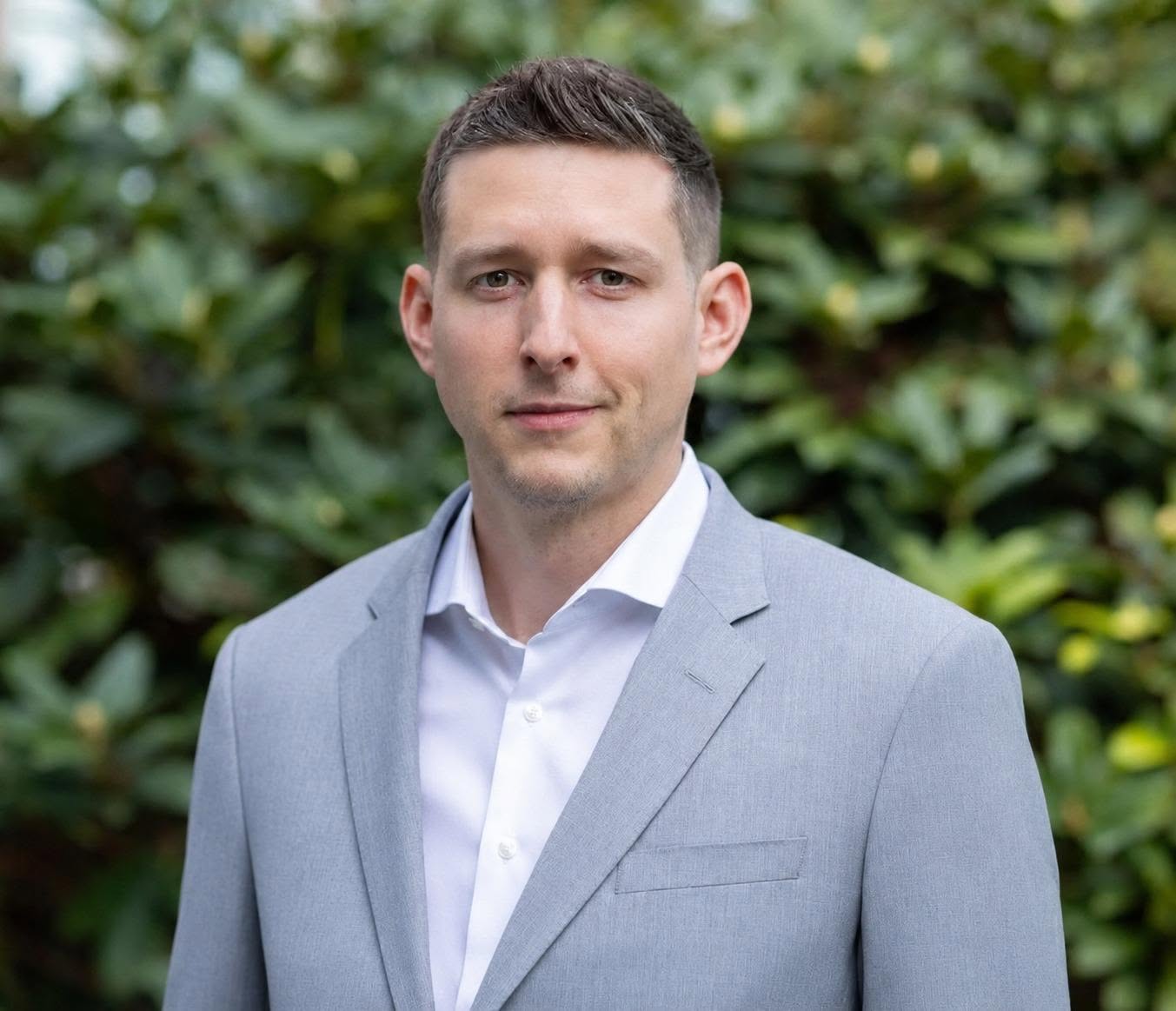
Attila Banhegyi. (Image Credit: Attila Banhegyi.)
Municipal election

Candidate whose family was evacuated during Fraser Canyon wildfires files to run for FVRD board

Sep 17, 2026 | 1:10 PM

FRASER CANYON/CHILLIWACK – A Fraser Canyon resident whose family was evacuated during the massive wildfires near Boston Bar over the summer has filed to run for the FVRD board in next month’s election.

Attila Banhegyi says his family was evacuated during the wildfires that impacted Highway 1 and the Fraser Canyon. The fires not only reached his property, but it motivated him in part to run for Electoral Area A on the Fraser Valley Regional District board.

“The fire directly affected our property, including burning into our backyard, so that experience has influenced how I look at emergency preparedness, communication, jurisdiction and the way the FVRD/EOC and other levels of government, private contractors, and media operate during an emergency,” Banhegyi said. “My candidacy is broader than the wildfire, though. A large part of why I’m running is that I believe an Electoral Area Director should take a much more active role in directing priorities, scrutinizing spending, maintaining and improving basic infrastructure and services, communicating directly with residents, and making sure Area A receives proper representation and diligence from the FVRD.”

Banhegyi says his proposed leadership platform for Area A (encompassing Boston Bar, North Bend and Canyon Alpine) is guided by a number of principles, including autonomy, lower taxes, better infrastructure, collaboration, and accountability.

“By autonomy, I mean giving Area A a stronger voice in decisions that affect our communities and greater local influence over the services and priorities that affect us,” Benhegyi said. “Fiscal responsibility, accountability, efficiency and lower taxes are closely connected. I want to scrutinize spending, reduce unnecessary bureaucracy and duplication, plan long term, and make sure residents can clearly see where their tax dollars are going and what results they are getting.”

He stresses that better infrastructure and resilience are major priorities of his.

“In a rural area reliable water systems, roads, waste services, fire protection, communications and emergency preparedness directly affect whether a community can function,” he said. “Collaboration is equally important. I want to build productive relationships with all potential partners to solve problems and find mutually beneficial outcomes, while still firmly representing Area A’s interests when necessary.”

As for the wildfire, Benhegyi says he saw both the personal side of evacuation through his family and what was occurring locally as the response unfolded.

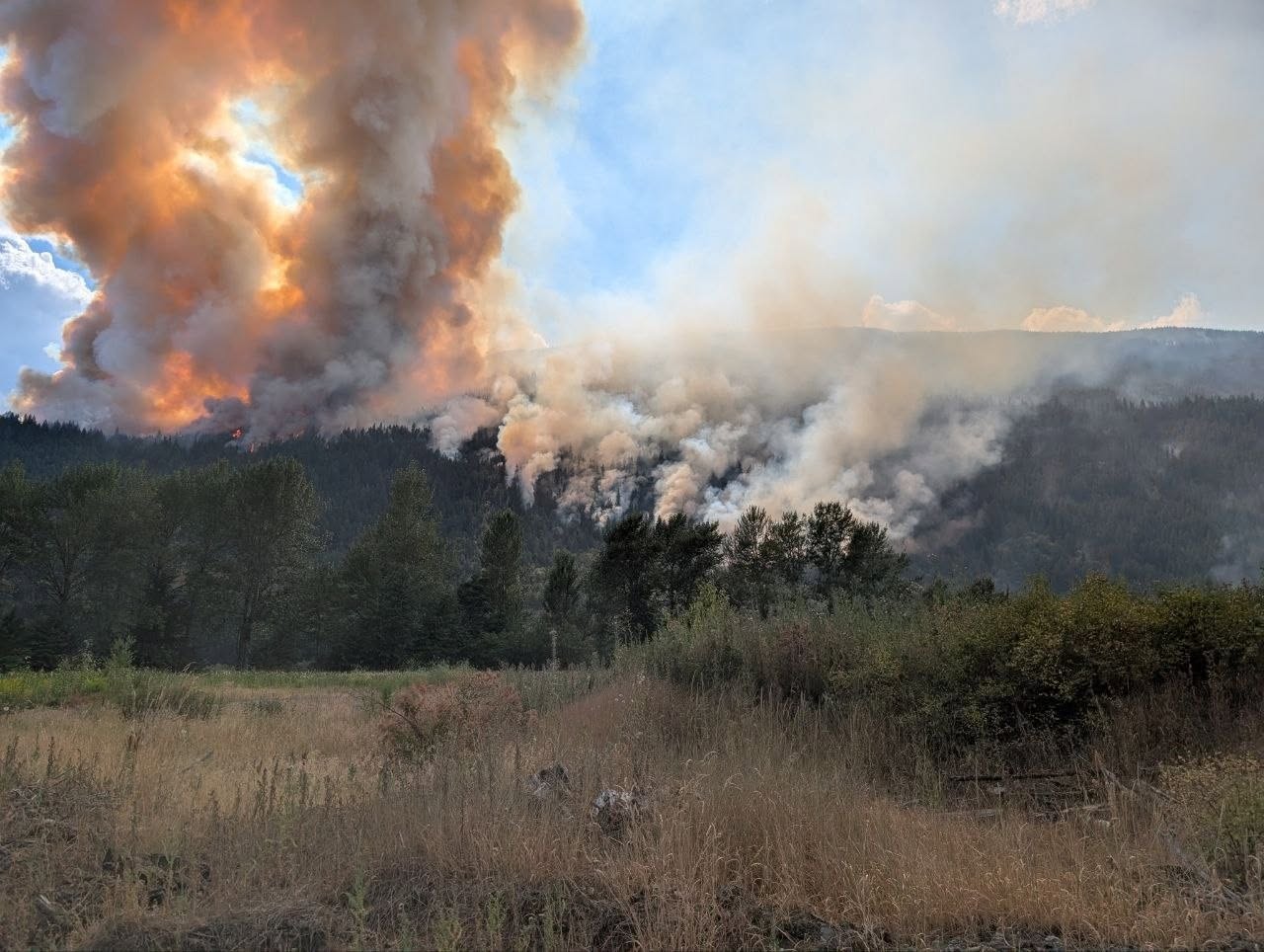
Firefighters battling the two fires raging in the Fraser Canyon conducted an ignition operation in July 2026 as the Brunswick Complex was hovering at around 20,000 hectares.
Firefighters battling the two fires raging in the Fraser Canyon conducted an ignition operation in July 2026 as the Brunswick Complex was hovering at around 20,000 hectares. (Image Credit: Attila Banhegyi.)

“One of the biggest lessons was how critical clear responsibilities, communication and lines of authority are during an emergency,” he said. “BC Wildfire Service, the Regional District and EOC, provincial agencies, First Nations, contractors, utilities emergency responders and others may all be involved. Residents need accurate information quickly, timely decisions and organizations working together. That clarity should exist before an emergency, not be figured out during one.”

He says there were breakdowns in communication during the wildfires, citing what happened when power went out in the Fraser Canyon.

“Information also needs to move both ways. Local residents, businesses and people on the ground can have valuable knowledge, resources and information about roads, water systems, access and changing conditions that decision-makers need,” he said. “I personally witnessed frightening communication breakdowns simply because power and phone service were out, and in my view those breakdowns contributed to a potentially irrational shutdown of our water system in the middle of the fire. We live in an era where satellite internet and backup communications are readily available, yet communications redundancy can still be a weak link. That only strengthened my motivation to find practical solutions.”

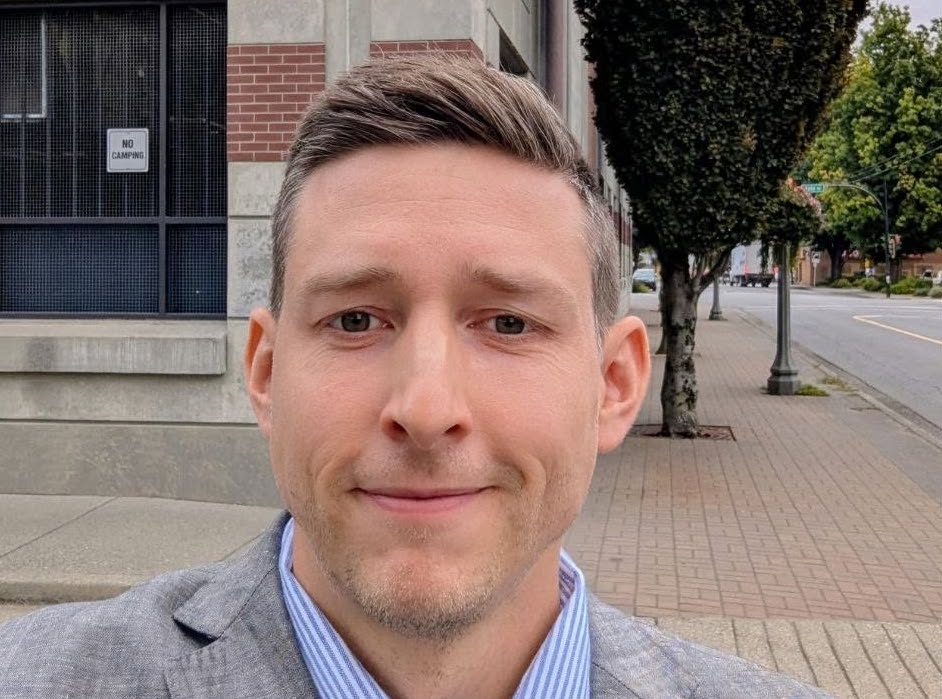
Attila Banhegyi.
Attila Banhegyi. (Image Credit: Attila Banhegyi.)

He called for specific improvements to the FVRD’s Emergency Operations Centre and hopes there will be some kind of post-incident report released to the public.

“Making sure the EOC can maintain reliable communications and situational awareness when conventional systems fail should be a relatively simple improvement before the next emergency,” he said last Wednesday, Sept. 9. “I am also still waiting for a proper post-incident review of the causes of the two fires, the response to them both, the decision-making behind shutting off essential water to the community, as well as an explanation for subsequent public statements attributing the shutdown to vandalism. Right now, I also want residents to know whether our water is safe to drink. So far, I have only seen bacterial testing and no results addressing arsenic or other potential contaminants following the wildfire. I believe residents should have had a comprehensive analysis of our water before being advised to return home. Simple information like this should not be gate-kept and I hope our current director will provide the community an answer to this question now that I brought it up at last night’s Enhancement Society meeting.”

While he’s calling for improvements to established processes and procedures, he also says he’s not there to attribute blame to an entire organization like the FVRD.

“Organizations can be guarded and information can be difficult to retrieve. I don’t think simply pointing fingers is productive…I recognize that the thick skin of the canyon is not shared by all, but believe criticism can be the spark that drives change,” Benhegyi said. “My goal is to have a lot more thumbs up and high fives by the end of a four-year term. Ultimately, I want to be at the table working with others who are willing to examine what worked, what didn’t, what was unclear and what can be improved before the next event. I want to execute on the decisions we make in a timely manner and if we can be proud of our actions and achievements, transparency and open communication should not be something anyone is uncomfortable with. That is part of the perspective I would bring to the Director’s role.”