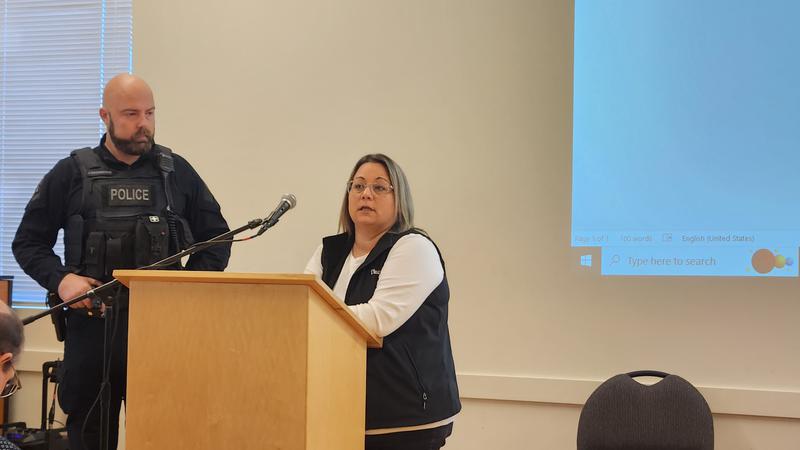
Image: Mike Vanden Bosch / Pattison Media / RCMP Corporal James McConochie and Fraser Health registered nurse Tina Baker presented an overview of a new program, Mobile Integrated Crisis Response Teams, now up and running in Chilliwack during a meeting of Chilliwack Healthier Community last week at the Chilliwack Cultural Centre. The teams are staffed with mental health professionals and police to assist people in crisis who call police and require appropriate health care services. Four communities in the Lower Mainland, including Chilliwack, Abbotsford, Burnaby and Coquitlam/Port Coquitlam, now have these exact teams in place. In Chilliwack, this crisis response team is available from 10 a.m. to 10 p.m. seven days a week. 
Mobile crisis response teams

Mobile crisis response teams bring police, nurses together to help Chilliwack residents

Dec 5, 2023 | 10:04 AM

CHILLIWACK — A partnership between the RCMP and Fraser Health intends to help Chilliwack residents who are undergoing a mental health crisis.

RCMP Corporal James McConochie and Fraser Health registered psychiatric nurse Tina Baker presented an overview of a new program, Mobile Integrated Crisis Response Teams, now up and running in Chilliwack during a meeting of Chilliwack Healthier Communities last week at the Chilliwack Cultural Centre. The teams are staffed with mental health professionals and police to assist people in crisis who call police and require appropriate health care services. Four communities in the Lower Mainland, including Chilliwack, Abbotsford, Burnaby and Coquitlam/Port Coquitlam, have this service in place.

Karen Stanton, director of public safety and social development for the City of Chilliwack, said the city and RCMP have pushed for this partnership for years. The coverage in Chilliwack encompasses Chilliwack itself, Cultus Lake, Columbia Valley, Chilliwack River Valley and all First Nations reserves in Chilliwack.
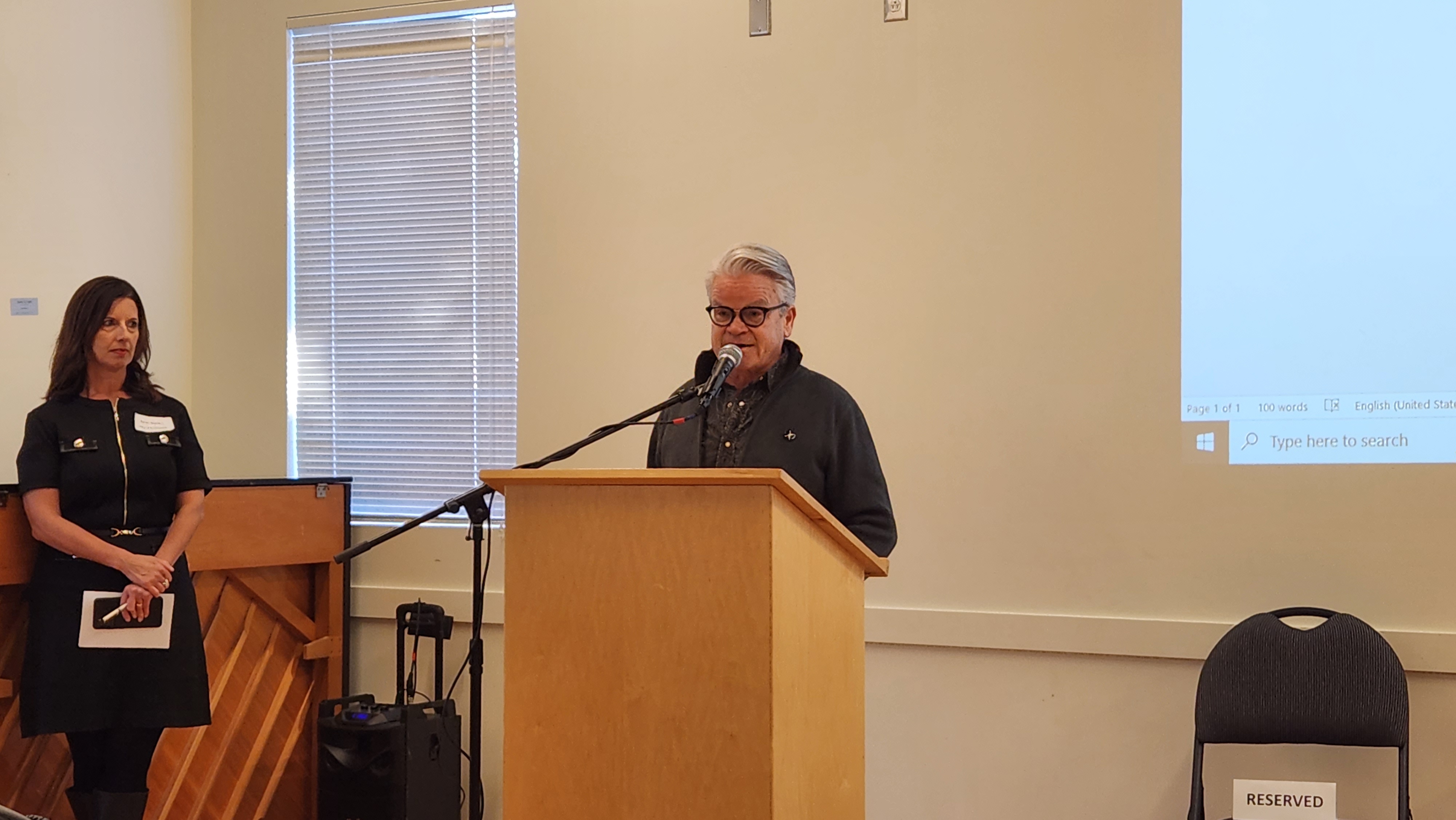
Image: Mike Vanden Bosch / Pattison Media / Chilliwack mayor Ken Popove speaks during Tuesday’s meeting of Chilliwack Healthier Community in which an overview of the new integrated mobile crisis response teams was presented. Karen Stanton (left), director of public safety and social development for the City of Chilliwack, touted the police and nurse teams due to the number of mental health calls Chilliwack RCMP receives. Approximately 13% of all calls in 2019 for the Chilliwack RCMP were mental health calls.

“This has been a long time coming,” Stanton said. “We’re just thrilled that it’s here. The team has hit the ground running. Thirteen per cent of all calls to the Chilliwack RCMP in 2019 were mental health calls. Unfortunately, the number of calls has increased.”

McConochie lauded the presence of nurses with police because they’re trained professionals who can assist people in crisis. He said the RCMP police uniform can be intimidating for people struggling with mental health challenges.

“We need to have the equipment we have and we need to be dressed [as police],” Cpl. McConochie told the audience of stakeholders Tuesday morning, November 30 at the Cultural Centre. “We need to have a softer approach. The nurses wear a vest that says nurse across the front. It’s for their protection. We want them to be safe. Sometimes we go into situations that can be dangerous to them. Once that assessment is done…we listen to what the nurses have to say. They’re professionals. The nurse can come with us to the hospital and help with vitals or blood pressure. Those obviously can help expedite wait times. We want to reduce wait times, and we want to be able to respond to as many calls as possible.”

Baker said she and McConochie have already responded to hundreds of mental health calls since the program was launched.

“We’ve responded to 250 mental health calls,” she said. “It’s needed, it’s growing and it’s getting the community aware. One of the most important things is that there are a lot of people suffering alone in the community. Believe it or not, people with mental health [concerns] suffer alone. It can be years before they call for help. By the time James and I show up, it’s a crisis [for them].”

The crisis response teams include health-care workers who can provide immediate support and mental-health assessments to those in crisis and connect people with local resources for ongoing help. This initiative, a collaboration between local law enforcement and health services, strengthens community safety by ensuring a rapid, care-focused response to mental-health emergencies, while allowing police to focus on crime.

The service is available in Chilliwack from 10 a.m. to 10 p.m., seven days a week. People who require mobile mental health services simply need to call 911 or the Chilliwack RCMP non-emergency line at 604-792-4611. Direct phone numbers of either police or nurses are not given out not only for liability reasons, but in case both members are already handling an emergency mental health crisis call.

“When police officers work alongside mental-health experts, it best serves those who are in a moment of crisis or distress,” said Mike Farnworth, Minister of Public Safety and Solicitor General. “By combining front-line workers’ expertise, Chilliwack MICR teams are strengthening the ability to respond to public safety challenges, better protecting communities, while connecting people in crisis to the appropriate services they need, when they need them. This initiative is a crucial component of our ongoing efforts to create a safer, more inclusive province.”

Natalie McCarthy, vice-president, regional care integration, Fraser Health, said: “Though a mental-health crisis can have a devastating impact on a person, when they are supported with compassion and respect it can make a significant difference in their recovery. With the launch of our Mobile Integrated Crisis Response teams, we are working alongside law-enforcement partners to foster important connections between people who need timely care and the vital supports and community services that will help restore their well-being and recovery.”

The provincial government says approximately one in five interactions with police involve someone with a mental-health disorder. Teams are already operating in Kamloops, Kelowna, Prince George, Fort St. John, Nanaimo and Victoria.