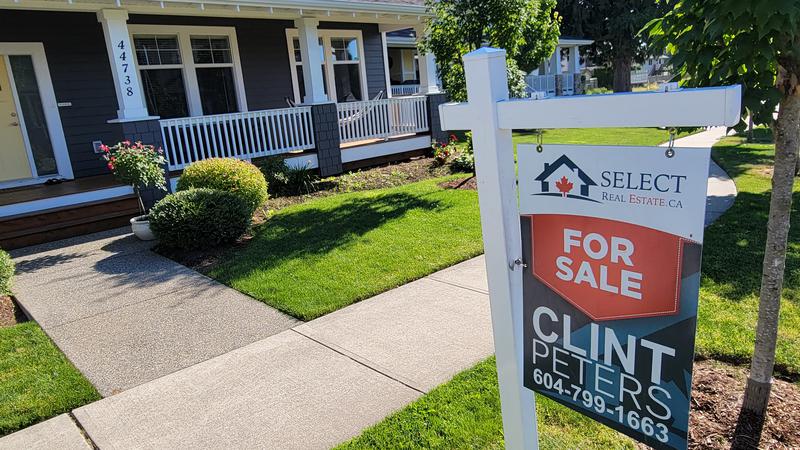
Image: M. Vanden Bosch / PML / The Chilliwack and District Real Estate Board said Wednesday's interest rate hikes will make it harder for first-time homebuyers to get into the market.
Interest rates
Bank of Canada rate hike will make it harder for first-time home buyers: Chilliwack and District Real Estate Board
Jul 15, 2022 | 11:45 AM
-
Share on Facebook
-
Share on Bluesky
-
Share on X
- Copy Link
CHILLIWACK — An unexpected interest rate hike by the Bank of Canada Wednesday (Jul. 13) will make it even harder for first-time home buyers to get into the market, according to the Chilliwack and District Real Estate Board.
The central bank increased its target for the overnight rate to 2.5 per cent, representing an astounding increase of 100 basis points and the biggest policy rate hike in 24 years dating back to 1998.
“The increase will make it tougher for new buyers to qualify due to the stress test still being in place,” said Daryl Moniz, president of Chilliwack-area real estate board. “The feds should re-look at this policy. These changes seem to fly in the face of government ideals of more housing opportunities for those who need it.”
 Image: Supplied by Chilliwack and District Real Estate Board / Real estate board president Daryl Moniz says it will be harder for first-time home buyers to get into the market following the recent interest rate hike from the Bank of Canada.