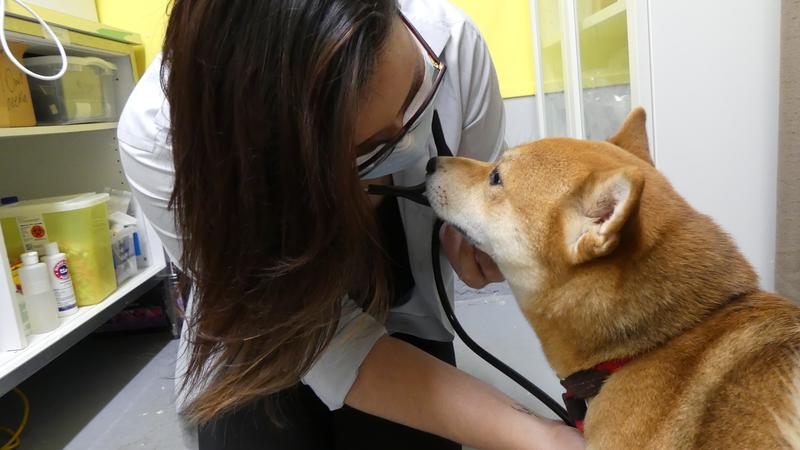
Image: L. Gomes / PML / Chilliwack SPCA branch manager Chloe MacBeth said the shortage has a “profound” effect not only in veterinary medicine, but also pet owners and rescue facilities such as the SPCA.
Veterinary Shortage

‘We are losing far too many colleagues’: Veterinary shortage a multi-faceted problem

Jul 13, 2022 | 6:00 AM

CHILLIWACK — It’s no secret that “pandemic pets” were a trend during the height of COVID-19; unfortunately, some of those furry companions were surrendered once working from home was no longer an option. Some new pet owners struggled to find veterinary clinics, while others were not financially equipped for the commitment. Locally, the Chilliwack SPCA and some animal clinics felt the pressure, especially with dwindling numbers of veterinarians.

Chilliwack SPCA branch manager Chloe MacBeth said the shortage of animal care professionals is Canada-wide and has a “profound” effect not only on veterinary medicine but also on pet owners and rescue facilities.

“We are seeing the repercussions of it where the length of stay is increasing—so the measurement of how long animals have to stay in care is increasing because we can’t get them in fast enough for medical treatment that they need in order to get adopted out,” MacBeth said. “So, it is a far-reaching problem.”

A veterinarian at Coastal Rivers Pet Hospital, Dr. I. Elizabeth Borgmann, echoed MacBeth’s statements and indicated an imbalance between supply and demand in the industry.
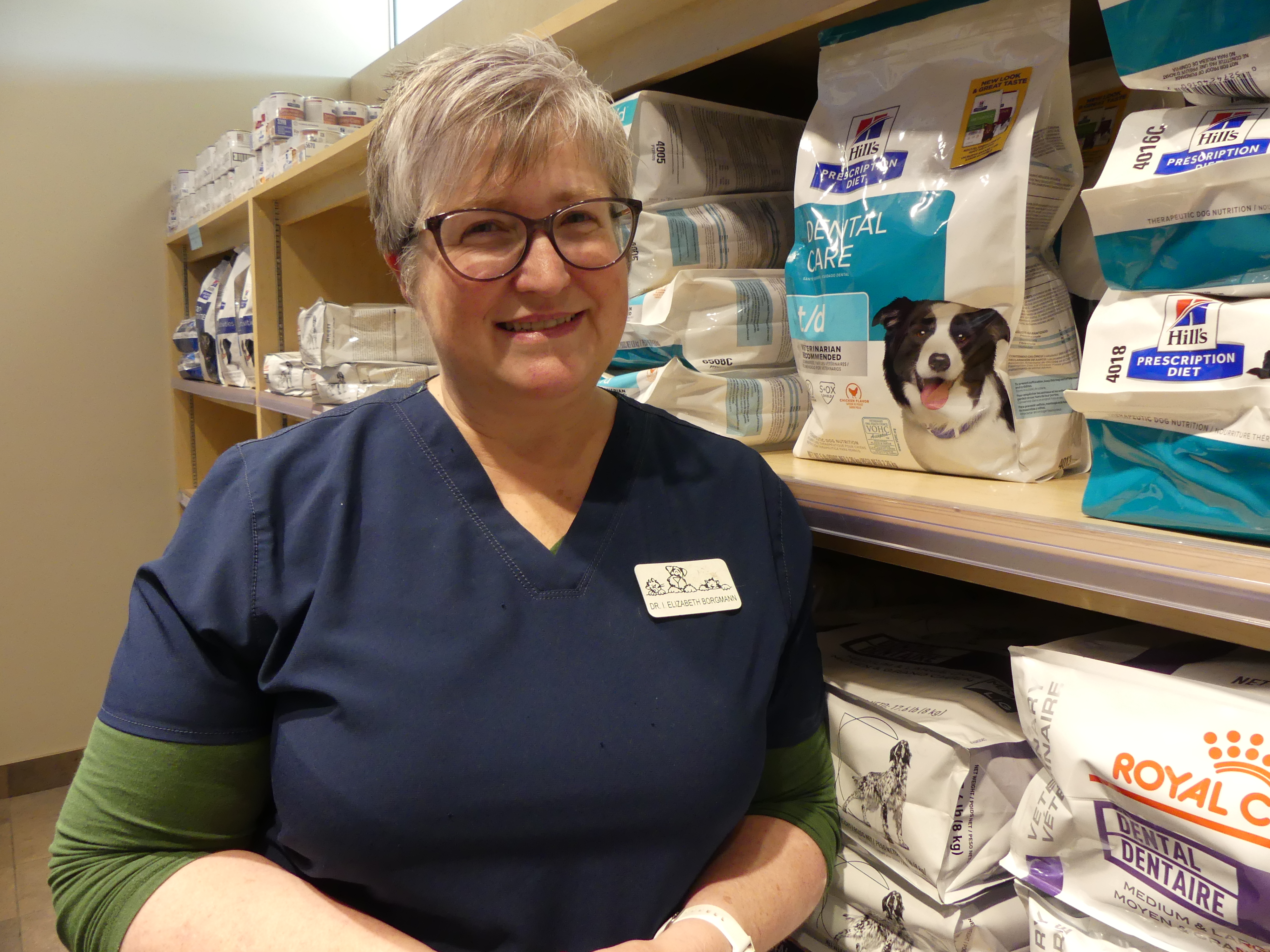
Image: L. Gomes / PML / Dr. I. Elizabeth Borgmann pictured at Coastal Rivers Pet Hospital.

“Though there is a growing pet population, a growing demand for pet health care, and increasing options for care, there is unfortunately an inadequate number of veterinarians to provide those services,” Dr. Borgmann said. “The number of veterinarians graduating from the Western Veterinary College of Medicine has not increased in over 30 years.”

Both MacBeth and Dr. Borgmann said the shortage goes beyond veterinarians—it’s also registered veterinary technicians (RVTs).

“Your RVTs are trained professionals. They’re essentially very similar to human nurses, except they’re cross-trained in a lot of different areas,” MacBeth explained. “So, they’re radiology technicians, phlebotomists, nutrition consultants, and they are sort of the backbone of a veterinary practice.”

A former veterinary technician herself, MacBeth said several clinics are left with no other option other than to operate without RVTs. “Having that lack of professional skillset available to veterinarians is affecting the quality of care they are able to provide,” she added.

In terms of sustainability for the profession, MacBeth said veterinary professionals are some of the least paid medical professionals, and furthermore, they face a great deal of mental health hurdles to overcome.

“It’s really sad when the public accuses people in the veterinary profession of wanting nothing but money or not caring, but simultaneously expects a level of service that far exceeds their ability to pay,” she said.

Pointing to the different diagnostic options in her clinic, Dr. Borgmann said laboratory testing options have increased, along with the quality of radiographs, readily available ultrasounds, and MRIs and CT scans—all within reach for many pet owners.

However, the aforementioned comes with a price tag. And when some disgruntled pet owners are unable to cope with the cost, staff at veterinary clinics bear the brunt of the burden. Dr. Borgmann called the pressure “enormous,” with social media only aggravating the situation.

“Unwarranted and malicious attacks on professionals in all careers and fields have been increasing. Please #NOMV,” the veterinarian said, referring to the national suicide hotline, Not One More Vet.

MacBeth said imminent change is necessary and considers pet veterinary insurance a path to improvement.

“The increasing cost of veterinary care is not going anywhere,” she said. “Our costs of living are increasing across the board and everything needs to be considered when looking to adopt or rescue a pet.”

Dr. Borgmann remarked that the veterinary field is experiencing an “exodus” of skilled veterinarians for a broad range of reasons.

“Some are retiring, others are choosing careers or jobs that will pay more to allow them to manage the debt they have incurred training to become veterinarians,” she said. “Many are leaving due to high stress and a feeling of helplessness as they see so many pets that require care that they cannot help simply because there is not enough time.”

And in some cases, veterinarians are lost to suicide.

“We are losing far too many colleagues,” MacBeth said after a long pause. “There are so many people that are deeply empathetic, caring, intelligent people that from the constant abuse and unsustainability of the current state of veterinary medicine, we have lost them to suicide.”

Veterinarians who need help or are looking for more information can find it on the NOMV website.