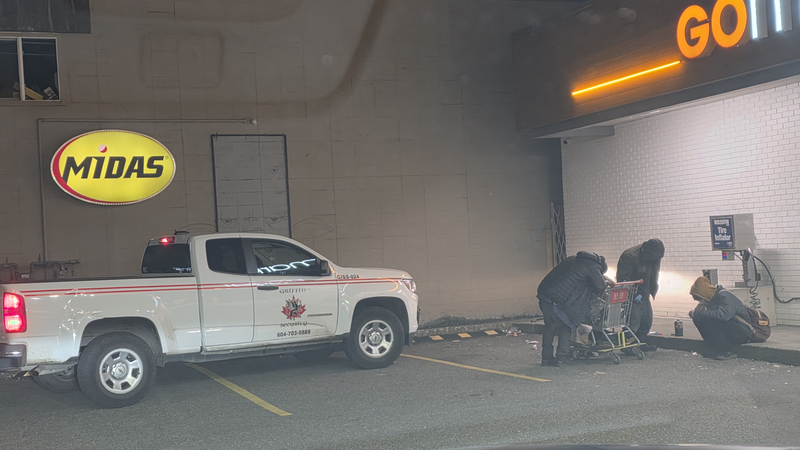
Image: Mike Vanden Bosch / Pattison Media / Griffin Security attends a gas station in downtown Chilliwack on Tuesday night, Jan. 20 where street people tend to congregate.
City of Chilliwack bears the costs

City of Chilliwack spends over $5 million/year on homelessness, says province hasn’t really stepped up to help

Jan 21, 2026 | 6:46 AM

CHILLIWACK — The City of Chilliwack says it’s doing as much as it can to address community safety concerns around street people while it spends over $5 million a year on costs related to homelessness, but the province has done little to help.

According to a community safety presentation made at Tuesday’s council meeting by Karen Stanton, director of public safety and social development for the City of Chilliwack, the municipality has continuously advocated for greater support from the province to address priorities that are outside of local control.

For example, there are 34 ACT (Assertive Community Treatment) teams across the province that provide enhanced, wrap-around care and treatment to people in the community who struggle with complex mental health. Of those 34 teams, seven are in the Fraser Health region, including Abbotsford-Mission and Langley, but Chilliwack has none.

Why does it matter? As Stanton puts it, these teams reduce the strain on first responders and hospitals.
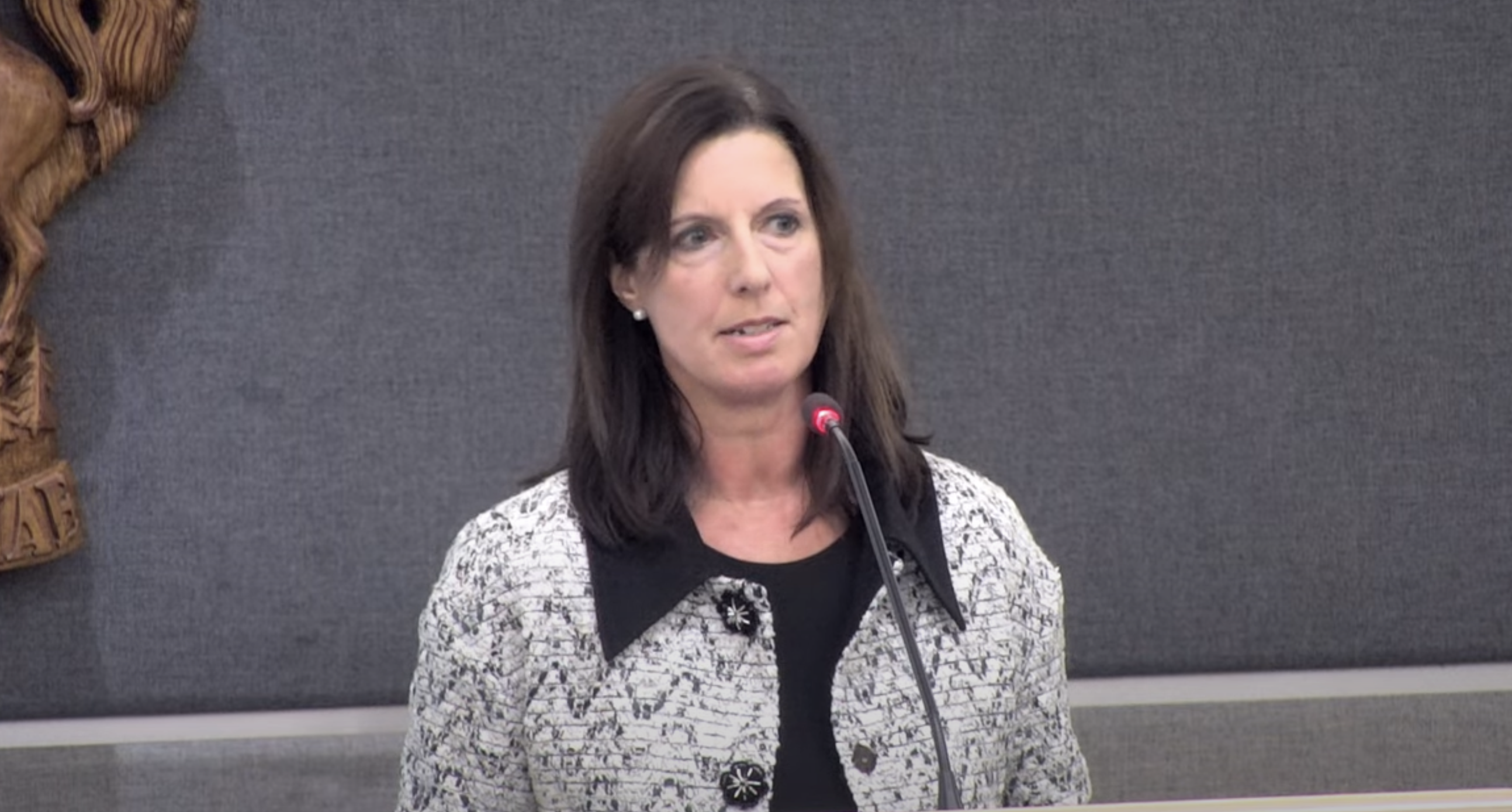
Image: City of Chilliwack / Karen Stanton, director of public safety and social development for the City of Chilliwack.

“The ACT team is an effective way in providing appropriate services for these individuals and also helps to reduce the drain on emergency resources and police,” Stanton said during her presentation to Chilliwack City Council on Tuesday, Jan. 20. “Service providers have told us the need for an ACT team has never been greater. Case loads are increasing and becoming more complex while the people experiencing homelessness and mental health illness in Chilliwack is increasing. Chilliwack is the only community in the Fraser Health region that doesn’t have an ACT team operating in conjunction with a mobile crisis response team.”

Stanton says the province has rejected Chilliwack’s request for an ACT team in the community, telling city staff there are other services that exist in the community. Stanton says none of those comparable services bear any similarity or can perform like an ACT team.

A second challenge involves the lack of detox beds in the Fraser Health region. Stanton said there are 26 detox beds for a Fraser Health population area of over 1.5 million people, but it simply isn’t enough.

“Secondly, despite ongoing community engagement and advocacy, access to detox treatment and recovery beds continues to be a major challenge,” Stanton said. “Wait lists for detox and treatment continue to range from six weeks to three months or more, with people coming out of detox unable to access treatment for weeks, putting them at risk for relapse, especially when they’re discharged to shelters where supervised consumption is supported.”

Thirdly, Stanton noted, the city has advocated over the last year for the province to develop and implement a comprehensive, regionally equitable strategy for the distribution of emergency shelter beds. Chilliwack continues to house more than its fair share, while other communities throughout the region aren’t carrying the burden, so to speak.

In a January 2025 press release, the city revealed it had 2.69 shelter beds per 1,000 people, whereas some Lower Mainland communities had no shelter beds.

“We are a small community that has done the best we can to support service providers and the needs of those within our community,” Mayor Popove said in the January 2025 press release. “The service providers have done an incredible job in Chilliwack and should be proud of everything they have accomplished, but we acknowledge that we have reached full capacity as a community. We need the province to step up and take care of housing and health care equitably to ensure shelters and services aren’t concentrated in just one or two communities.”

Image: City of Chilliwack / Mayor Popove.

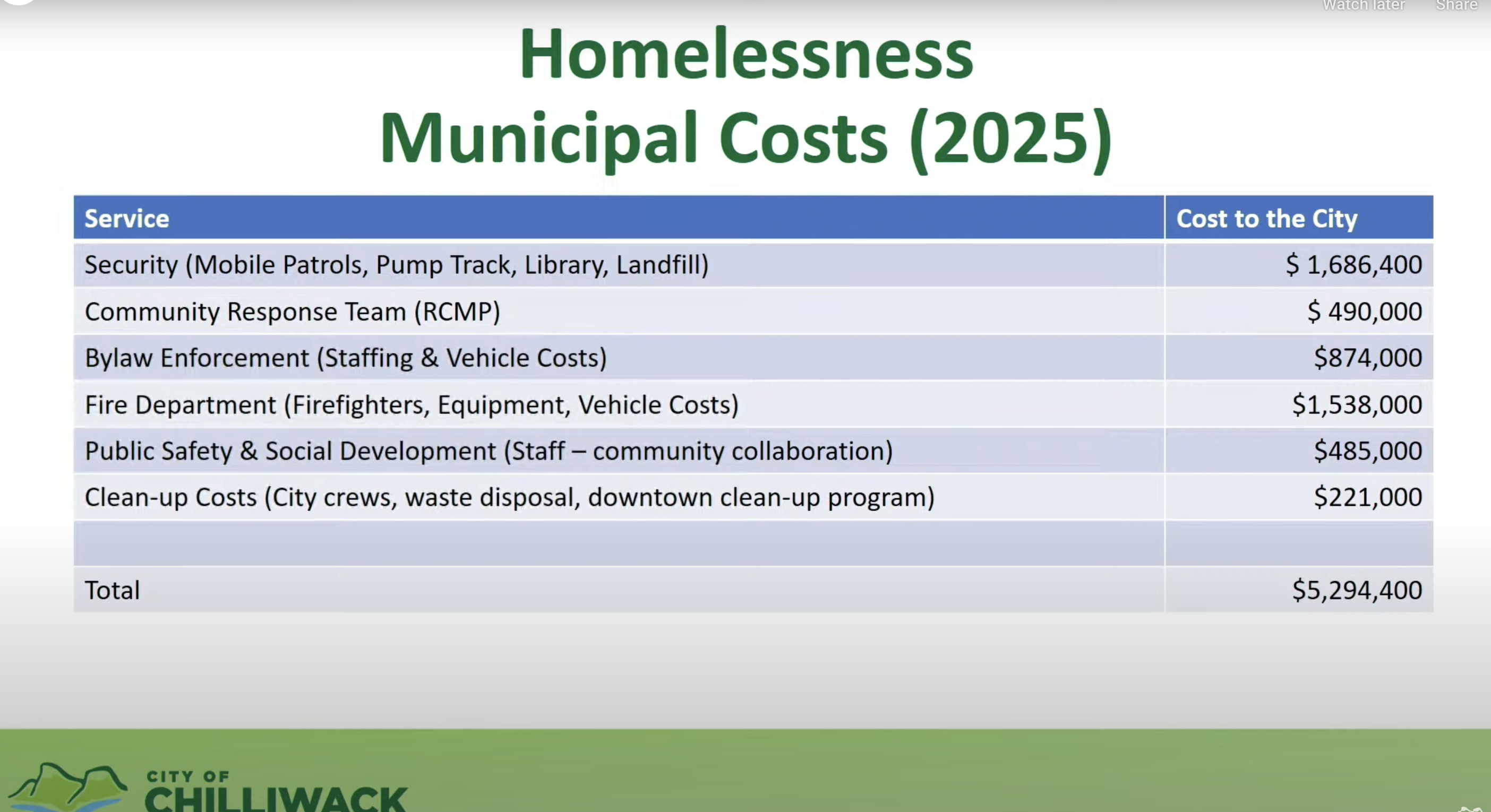
The City of Chilliwack says it spent $5.2 million in 2025 on expenditures related to homelessness, including $1,686,400 toward private security for mobile patrols, the downtown Chilliwack library, and the city landfill; $490,000 toward the RCMP’s Community Response Team; $874,000 for bylaw enforcement staff (staffing and vehicle costs); $1,538,000 for fire personnel (firefighters, equipment and vehicle costs); $485,000 for public safety and social development staff; and $221,000 for clean-up costs (city crews, waste disposal and downtown clean-up programs).

Image: City of Chilliwack

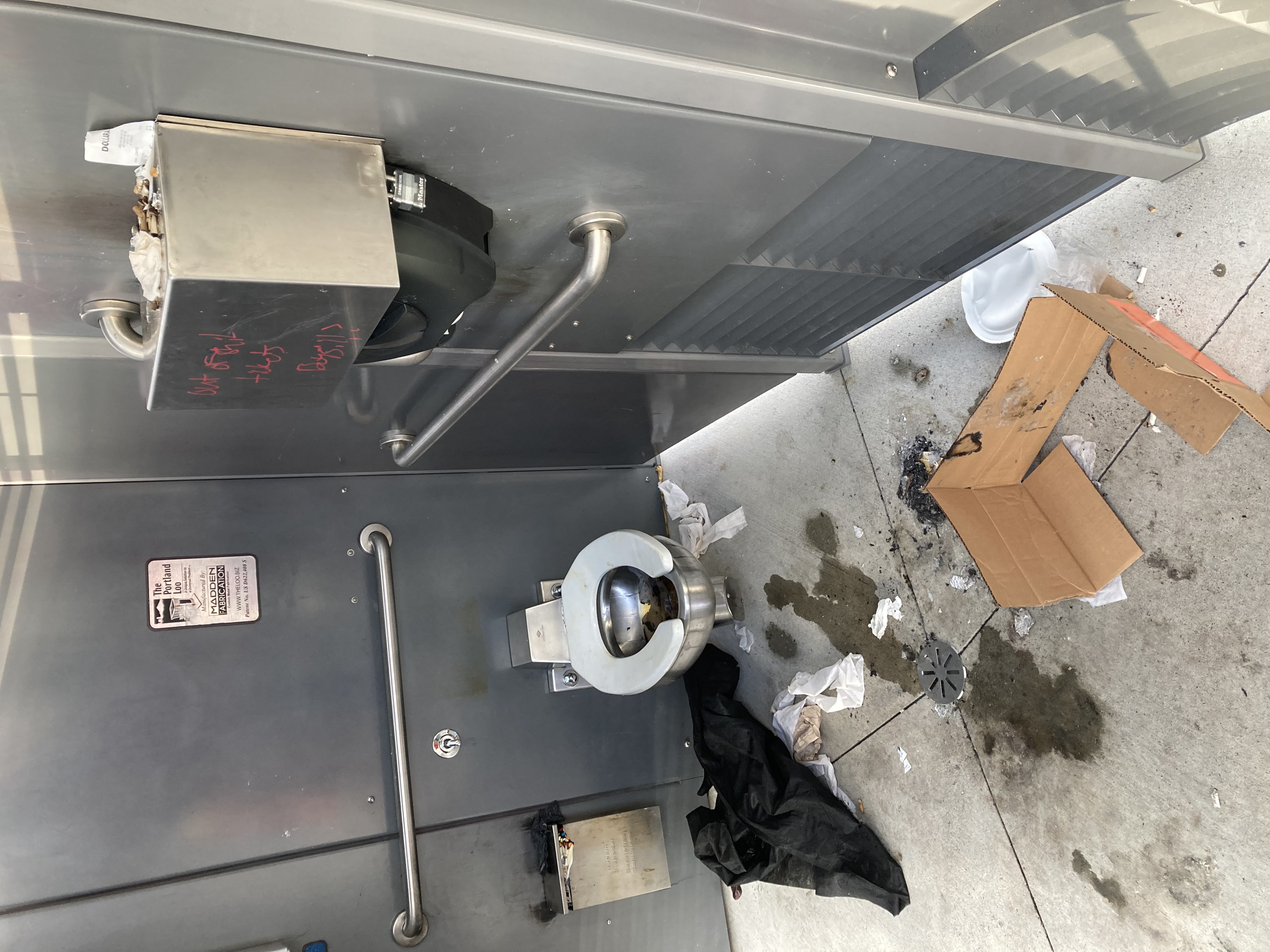
In November 2024, Mayor Popove told 89.5 Morning host Glen Slingerland during a radio appearance that he and city staff had grown increasingly frustrated with the amount of damage done to a restroom on Young Road in the city’s downtown core. The facility was meant to help street people access bathrooms, but instead users trashed it repeatedly. The public bathroom was intended as a permanent solution to a previous plan that distributed portapotties across the city, but those got burned down.

Image: City of Chilliwack

As it relates to shelter beds and helping street people get a roof over their heads, Stanton said the current provincial approach to emergency shelter provision has led to a disproportionate concentration of shelter beds in a small number of communities, which overwhelms communities and service providers in cities like Chilliwack.

“There absolutely must be shelter space available in all communities because homelessness is being experienced in all communities,” she said.

Lastly, Stanton said there needs to be increased court and prosecution capacity. The city’s Community Safety Plan identified an ongoing struggle for the justice system to adequately deal with chronic and prolific offenders, and the need to expand the capacity of Crown counsel to match police force size and reach greater charge approval.

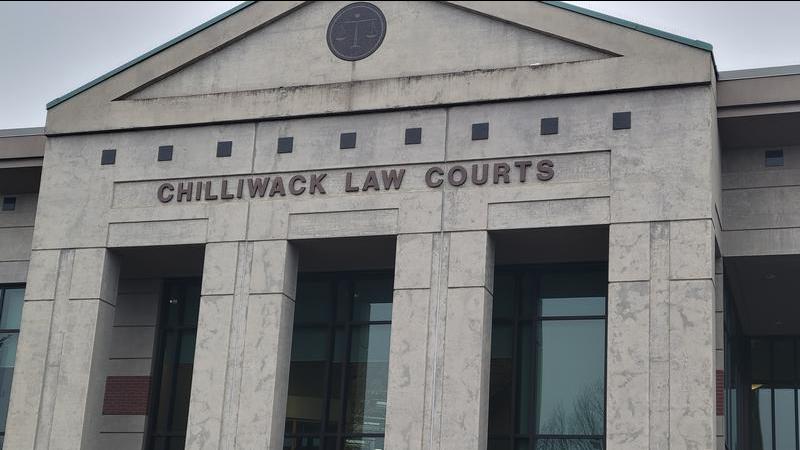
“Chilliwack’s court house has not expanded since it was built 25 years ago,” Stanton said. “Since then, the city funding for the police has increased 156 per cent, with no increase in Crown counsel or the number of court rooms. Chilliwack has long advocated for legislative and regulatory changes to ensure that prolific offenders are sentenced effectively and supported by credible programs in the community to address underlying challenges such as substance use or mental illness.”

Image: Mike Vanden Bosch / Pattison Media / The Chilliwack Law Courts building.

A report released last September by the City of Kelowna revealed that a small number of repeat offenders in that city have produced a disproportionate amount of crime while these prolific criminals cycle through a broken justice system.

“The report urged concrete action from the provincial and federal governments on bail reform, investments in additional BC Prosecution Service staff, a reform of the charge approval process, increased probation officer capacity, and improved bail compliance models,” Stanton said.

Stanton cited startling statistics from this same report that indicate BC’s charge per capita rate as being the lowest among all provinces in Canada between 2019 and 2024. In Chilliwack, the rate at which people are criminally charged has declined by 29 per cent since 2020.

“The inability of the justice system to adequately deal with repeat offenders is resulting in declining public confidence in the justice system, and this is something we regularly hear about from local residents and businesses,” Stanton said. “While there have been some recent announcements from the Government of Canada about bail reform, there also needs to be proper management and resourcing of these reforms through the province.”