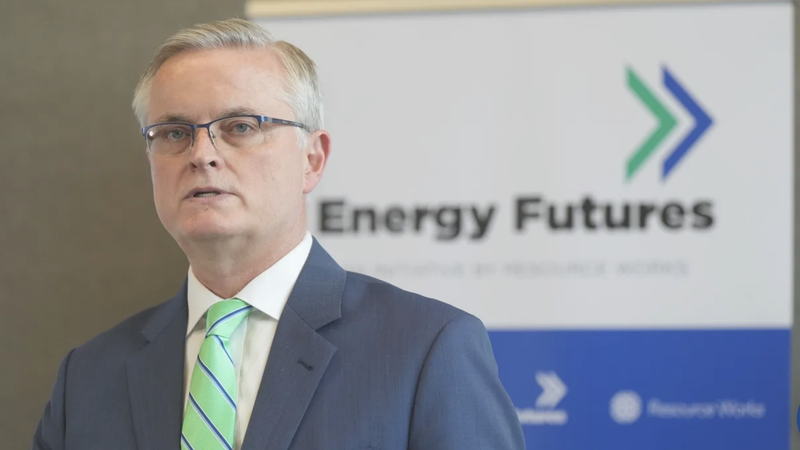
Image: Energy Futures Institute / Former B.C. Attorney General and current Chilliwack resident Barry Penner is calling attention to BC Hydro's increased dependency upon on imported electricity from the United States and Alberta.
BC Hydro

Former B.C. Attorney General highlights BC Hydro’s growing need for imported power

Dec 9, 2024 | 12:11 PM

VANCOUVER — Former B.C. Attorney General and current Chilliwack resident Barry Penner is calling attention to BC Hydro’s increased dependency upon on imported electricity from the United States and Alberta.

Penner, who is chair of the Energy Futures Institute in Vancouver, says BC Hydro spent more than $1.377 billion on imported electricity in a 12-month span, according to documents filed with the B.C. Utilities Commission. The imported power is derived from the U.S. where 60 per cent of electricity is generated from fossil fuels, and from Alberta where a majority of electricity is sourced from natural gas.

“We have known for some time that BC Hydro has been forced to import significant amounts of electricity to help keep our lights on, but this is the first time it’s reached almost 25% of our total needs and the first time this large price tag has been revealed,” said Penner.

In documents submitted to the BCUC reporting on the most recent fiscal year, BC Hydro also revealed it imported 13,600 gigawatt hours of electricity on a net basis, more than two and half times the amount of power the Site C dam is expected to produce in a year with average water flows.

“As the City of Vancouver debates requiring the use of more electricity instead of natural gas, it’s important to note the cost of depending on imported electricity,” noted Penner. “Accounting manoeuvrers known as “deferral accounts” can shelter ratepayers temporarily but bills eventually need to be paid. The $16 billion Site C dam and $36 billion for upgrades to BC Hydro transmission and distribution lines will also need to eventually be factored into electricity rates.”

Over two years of below-average precipitation has reduced output from hydroelectric facilities in British Columbia and the Pacific Northwest, Penner said. BC Hydro forecasts that demand for electricity will increase by at least 15 per cent by 2030, and possibly more. This is being accelerated by population growth, economic development, and provincial government policies such as the 2030 electric vehicle sales mandate of 90 per cent, as well as restrictions on the use of natural gas for residential and commercial heating.

“BC needs to recalibrate our electrification targets, as it takes time to significantly increase made-in-BC electricity supply,” concluded Penner. “Otherwise, British Columbians may end up paying the price.”

In June 2024, Penner said the release of another report about the reliability and dependability of electricity systems in North America heightened concerns about pressures faced by BC Hydro.

In their 2024 Summer Reliability Assessment, the North American Electric Reliability Corporation (NERC – a non-profit international regulatory authority) says “above-normal demand that coincides with low hydro output could result in a reserve shortage” this summer. The report concludes British Columbia faces operational challenges on multiple fronts, including drought, wildfires, and rapid electrification in the residential, commercial, industrial, and transportation sectors.

“BC Hydro has imported more than twice as much electricity this year than it did last year at this time,” said Penner. “Last year, net electricity imports reached record levels, amounting to 1/5th of domestic electricity demand. To put this in greater perspective, BC Hydro has already imported 7,165 gigawatt hours (GWh) of electricity this year, nearly the same amount as the Site C dam and recent 3,000 GWh hour call for power are hoped to produce in an entire year.”

While BC is expected to have “sufficient resource availability to meet reserves at the peak demand hour (5:00–6:00 p.m.) under most conditions,” the report says that “above-normal summer peak load and outage conditions” could require “operating mitigations”, such as the type of electricity emergency alerts utilized in Alberta earlier this year to quickly reduce consumption.

“Relying on our neighbours to bail us out of an electricity crunch is risky as they might have their own shortages,” continued Penner. This risk has been confirmed by NERC, which says “external assistance can be at risk during wide-area heat events.”

According to NERC, BC’s forecasted peak electrical demand has increased by 7.4% in just the past 12 months, or by more than 600 megawatts. This is more than half the maximum output of the still unfinished Site C dam, first announced 14 years ago.

“BC needs an updated energy plan that acknowledges our current challenges,” Penner asserted. “We need to significantly increase made-in-BC electricity supply while tempering policies which add strain and costs to our energy systems, such as the 90% electric vehicle mandate by 2030 and restricting the use of natural gas for new residential and commercial buildings.”