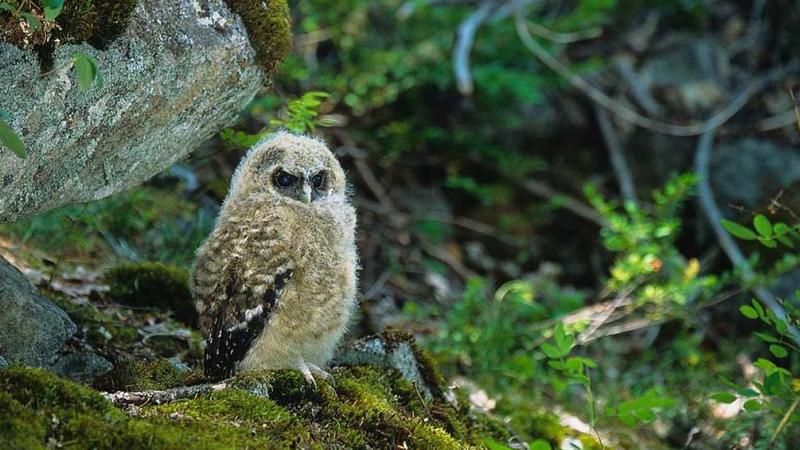
Image: Supplied by Wilderness Committee
Spotted owl

World’s first recovery effort sees spotted owls released into the wild for the first time north of Hope

Oct 21, 2022 | 11:21 AM

FRASER CANYON — The conservation of endangered species in B.C. took a monumental step forward in August 2022 as three spotted owls born and raised in a breeding facility were released into protected habitat in the Fraser Canyon, which was the first release of these rare birds into the wild anywhere in the world.

The B.C. government announced Friday (Oct. 22) that this historic milestone was the result of a partnership between the provincial Spotted Owl Breeding and Release Program and the Spuzzum First Nation, with the ongoing support of the federal government, conservation organizations and other groups.

“We are doing everything we can to help spotted owls recover in B.C., including running the world’s only spotted owl breeding and release program for this critically endangered species,” said Josie Osborne, Minister of Land, Water and Resource Stewardship. “During my visit to the Langley breeding facility in July, I was incredibly impressed by the deep commitment of everyone involved in helping these rare and beautiful birds achieve a self-sustaining population.”

Prior to the release, there was only one known spotted owl left in the wild in B.C. Today, there are four.

“In 1971, a Spô’zêm matriarch was called upon by our Ancestors to tell the story of our much-loved relatives, the skelúleɁ, otherwise known as the Northern Spotted Owl (as named by the settlers of Canada),” said Chief James Hobart, Spuzzum Nation. “Our messengers are extremely powerful beings: they are the messengers to our spirit world and of our physical world. They are species that are indicative of the health of an environment. Our matriarch Hrome’Tik’Inquakosen’s artistic documentation of skelúleɁ was instrumental in the preservation of our old growths and the work we are continuing with today for SkelúleɁ’s return into the wild.”

The release of the owls was a carefully planned, collaborative, government-to-government process that incorporated Indigenous knowledge and guidance from Spuzzum Nation Chief James Hobart. A detailed assessment of their readiness was necessary to make such an important move, a move that meant the return of Spuzzum’s beloved relatives to their inherent skies.

In early August 2022, the owls were introduced into protected forests in the Anderson Wildlife Habitat Area and the Spuzzum Wildlife Habitat Area in the Fraser Canyon, where the last-known wild spotted owl in B.C. was identified earlier this year, and where their ancestors once thrived. The owls were moved to aviaries in the forest and were fed for several days to allow them to get used to their traditional environment. Eventually, the doors were opened so the owls could leave the cages and hunt on their own.

The development of feeding skills was a precondition of the release, with the owls needing to demonstrate their ability to capture live prey and maintain a stable body weight. Before the owls were released, ministry staff assessed their health, confirmed that there were no active wildfires in the release area and collaborated with Spuzzum Nation Chief James Hobart to ensure there were no competing barred owls in the area.

The Province has worked with First Nations in B.C. to protect more than 280,000 hectares of spotted owl habitat in the Cascade region under the Spotted Owl Management Plan, which is enough territory to support a population of 250 owls.

A comprehensive monitoring plan is in place to help the Province and Spuzzum Nation assess the released owls’ ability to become established and successfully breed in the wild. The release plan was designed and implemented as a collaborative initiative that may set the precedent for other releases. The birds are monitored regularly using radio telemetry, GPS tags and visual checks, as well as acoustic recording to track their movements and health.

Ministry staff are prepared to help the owls, including supplemental feeding, if needed. So far, the owls have successfully captured their own prey. Spuzzum Nation land guardians and members also provided support with their knowledge of the health and well-being of the land.

The transition from a small group of spotted owls in a distinctly designed breeding facility to a healthy wild population is a long-term process, with an unknown success rate. However, the release of these three birds is a significant step toward an eventual self-sustaining population in B.C.

The objective is to expand the program with a long-term goal of releasing as many as 20 spotted owls each year. This outcome will depend on the continued success of both the breeding program and how the returned owls continue to transition in the wild.