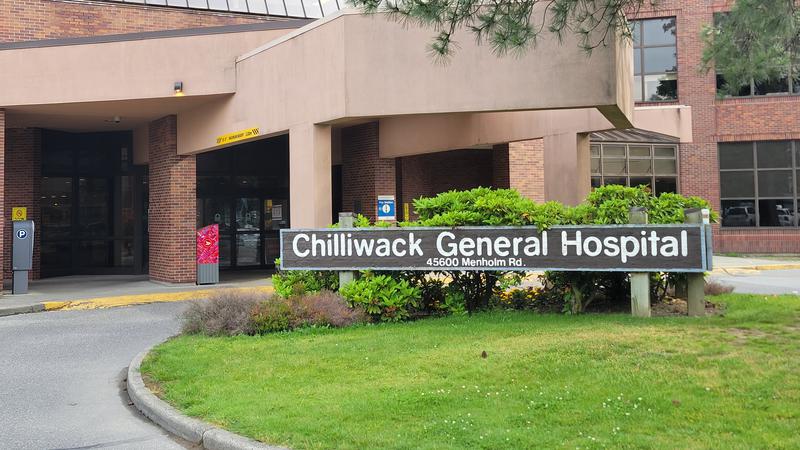
Image: M. Vanden Bosch / PML / Chilliwack General Hospital
Hospital staffing

B.C. Hospital Employees Union urges better working conditions, higher wages to address staff shortages at Chilliwack General Hospital

Jul 9, 2022 | 6:09 AM

CHILLIWACK — If you ask the union representing more than 50,000 hospital employees across the province, tackling chronic staffing shortages at Chilliwack General Hospital requires more than just money.

As CGH drops to just two operating rooms this summer as is often the case, and staffing vacancies persist in departments like medical device reprocessing and surgical day care, the union representing health care workers and other non-physician staff at hospitals across British Columbia says the Trudeau government needs to up its game.

“The feds should pony up more resources so that we can provide British Columbians the kind of health care system they deserve in the future,” said Hospital Employees Union spokesperson Mike Old. “The federal government went into our national Medicare decades ago with a 50-50 agreement. Their share of funding has fallen dramatically to 22 percent. We need to have investments that make our health care system sustainable over the long period.”

The medical and surgical wards, as well as the emergency room and operating room, at Chilliwack General Hospital are presently short on staff. The same can be said for the Bradley Centre, where that department is short on licensed practical nurses, and the medical device reprocessing unit, which is short by up to six positions.

“Health care can generally have good benefits and good salaries,” Old said. “Like everyone else in the economy, their wage power is kind of diminished. Wage increases aren’t keeping up with rising costs.”

The Hospital Employees Union is presently negotiating with the province for a new collective bargaining agreement. British Columbia is among the most expensive provinces in Canada, if not the priciest, but HEU believes integrating wage increases into salaries and benefits won’t necessarily remedy things. Old cited internal polling showing that one out of every three health care workers is considering leaving the health care system due to stress and burnout.

“Staffing issues were serious before we faced COVID-19,” Old said. “In an economy where we have labour shortages in all sectors, health care workers are looking at other options that will provide them with more work-life balance and sort of reduce the level of stress in their lives.”

Importing more health care workers from outside Canada won’t solve the problem either, Old believes. It takes time, investments, and improvements to wages and working conditions.

“Solutions aren’t going to happen overnight,” Old said. “We really need to focus on recruitment and retention. There are a lot of talented and committed health care workers in the system. They’re just very tired and they need help. We need to retain those workers. They’re skilled and experienced. We have to put efforts into addressing safety, workload, and the kind of shifts that people want to work in. That’s how we keep workers.”

On the issue of unvaccinated health care workers who were dismissed from the B.C. health care system, Old insisted labour shortages were present before the pandemic began in 2020 and the stress of COVID-19 only made working conditions worse for health care staff. He did acknowledge that vaccination rates in parts of the Fraser Valley and northern B.C. were slightly lower than Vancouver-area averages.

“The vast majority of health care workers are fully vaccinated in compliance with the provincial health officer,” Old said. “The vaccine mandate has had some impact on some staff. Generally speaking, the problems facing the system are bigger than this. We had a staffing crisis looming before the pandemic hit.”