Feds put up $50 million for Inuit-led university as part of funding package

Feb 19, 2026 | 7:05 AM

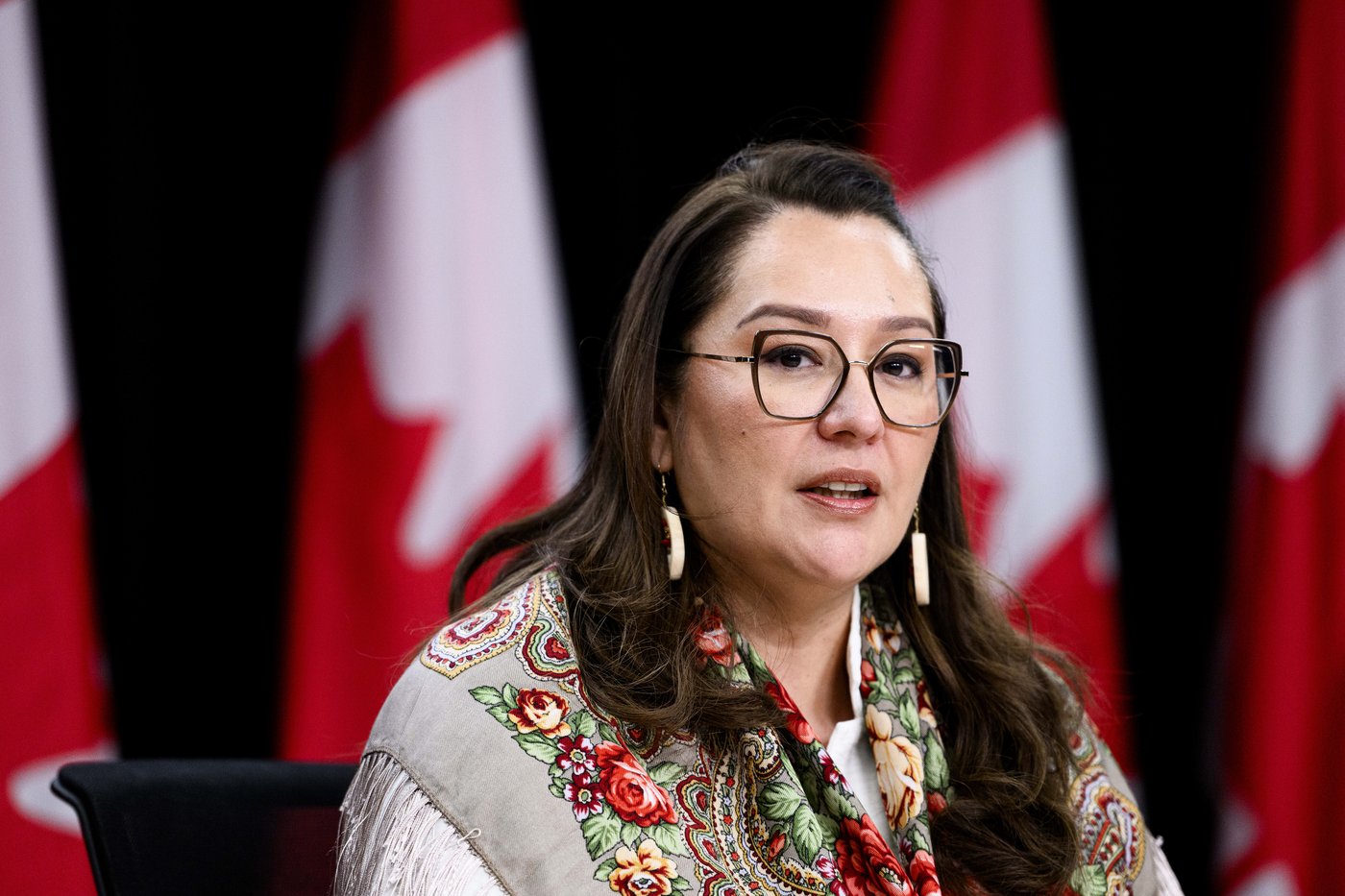
OTTAWA — The federal government will provide $50 million to help develop Canada’s first Inuit-led university, Indigenous Services Minister Mandy Gull-Masty said Thursday.

Gull-Masty announced the funding at an event in her home riding in the Nunavik community of Kujjuaq, Que., as part of a broader $228 million funding package for Inuit communities. As first reported by CBC News, the package includes $115 million to renew funding for the Inuit Child First Initiative for one year.

The Inuit Child First Initiative provides access to health and social services otherwise unavailable in Inuit communities. Its funding was going to expire at the end of March. Advocates last year called on the government to continue funding the program, saying the loss would undermine health outcomes for Inuit families.

Ottawa is also committing $27 million over five years to tuberculosis prevention and treatment to help fulfil the commitment made by the federal government and Inuit organizations in 2018 to eliminate tuberculosis in Inuit communities by 2030.

Inuit communities have some of the highest tuberculosis rates in the world. In 2023, Nunavut had the highest incidence of active TB in Canada at 169.5 cases per 100,000 population, the Public Health Agency of Canada reported.

If Nunavut were a country, it would have ranked 44th in the world that year on the incidence of tuberculosis cases, between Botswana and Tuvalu, based on data from the World Health Organization.

Inuit Tapiriit Kanatami, the organization representing Inuit in Canada, asked in its pre-budget submission for $131.6 million over five years to fight TB in Inuit communities.

Another $30 million in Thursday’s funding package is going toward ongoing funding for the Nutrition North food subsidy program. The program is undergoing an external review and a final report is expected sometime this year.

The program has been under heavy scrutiny for years in the North. Critics have questioned whether the full subsidy amount has been passed on to customers, and whether the program — which subsidizes retailers — is still the most effective way to address the high cost of food in the region.

The $50 million for the university builds on funding already secured for the project. Nunavut Tunngavik Inc. — which represents Inuit in Nunavut — pledged $50 million last year, while another $85 million was secured through the Nunavut Agreement Implementation Contract.

The Mastercard Foundation also committed $50 million toward the development of the university.

The Nunavut Hamlet of Arviat was named earlier this month as the site of the new university, which is expected to open in 2030 with a focus on promoting Inuit languages and supporting economic and cultural opportunities in the region.

This report by The Canadian Press was first published on Feb. 19, 2026.

— With files from Alessia Passafiume

Nick Murray, The Canadian Press