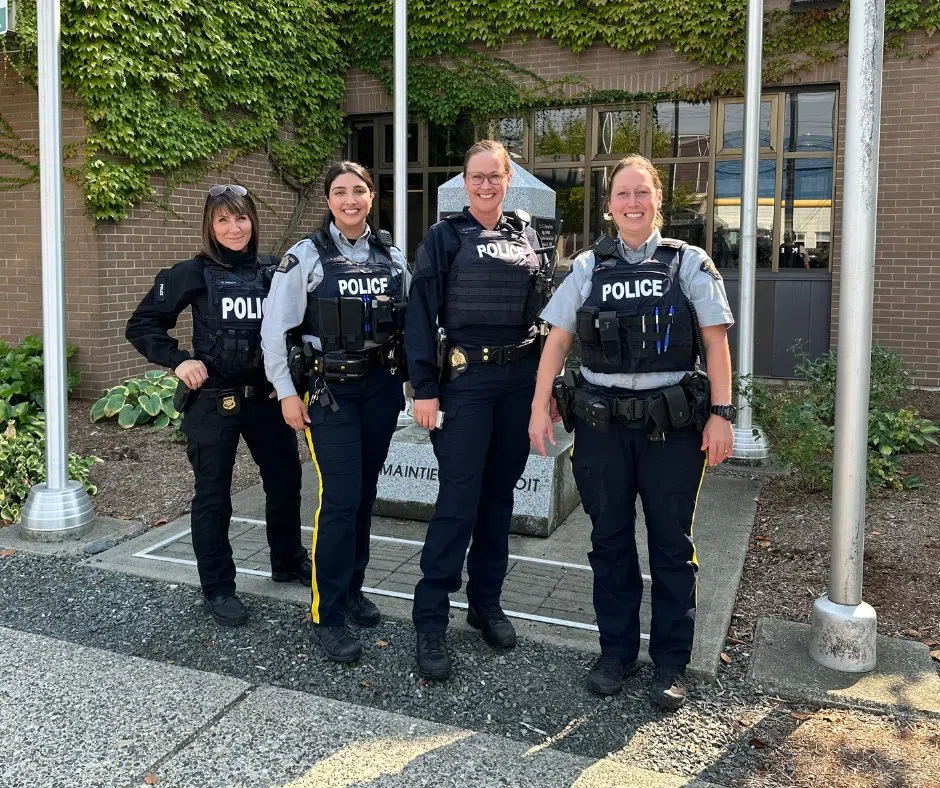
Upper Fraser Valley RCMP. (Image Credit: Upper Fraser Valley RCMP.)
Chilliwack RCMP issue safety warning abo

Chilliwack RCMP issue safety warning about image distribution using AI

Feb 10, 2026 | 8:45 AM

CHILLIWACK – Mounties in Chilliwack are urging parents and caregivers to have conversations with their kids about the distribution of images and other content using AI (artificial intelligence), saying modern technology comes with genuine consequences and risks.

According to a statement from Chilliwack RCMP spokesperson Corporal Carmen Kiener, police say today’s digital world is a big part of kids’ lives — and with it come real risks. This includes disseminating images, creating or altering images using AI, and forwarding content to friends without fully understanding the consequences.

“Many young people don’t realize how quickly an image can spread, how easily AI can be used to create realistic fake images, or how difficult it can be to undo the harm once something is shared online,” Cpl. Kiener said

Police say Safer Internet Day (Tuesday, February 10) is a good reminder for parents to check in with their children and keep the conversation going about online safety.

What parents and caregivers can do:

  • Place computers and devices in busy family areas like the kitchen or living room.
  • Monitor online activity regularly and stay involved.
  • Start teaching safe and respectful online behaviour from a young age.
  • Help teens understand that anything posted or shared online — including AI‑generated images — can become public, even if it’s sent “as a joke” or to a small group of friends.
  • Talk about how creating or sharing altered, fake, or AI‑generated images of others can cause serious harm, including embarrassment, emotional distress, damaged reputations, and legal consequences.
  • Remind youth that consent matters — just because technology allows something doesn’t mean it’s okay to do it.
  • Talk casually and often about online activity, so digital safety becomes a normal part of everyday conversations.

How to talk to your kids about AI and online images:

  • Stay curious. Ask what apps or tools they’re using and who they are engaging with online.
  • Avoid lectures. Focus on real‑world impacts rather than rules alone.
  • Use scenarios. Ask how they would feel if an altered or fake image of them was shared.
  • Reinforce trust. Let them know they can come to you if something online makes them uncomfortable or if they make a mistake.
  • Emphasize responsibility. Help them understand that their online choices can affect others — and themselves — long after the moment passes.

Police say open communication helps children and teens make safer, more respectful choices online today and as technology evolves.

For more information, visit Need Help Now.