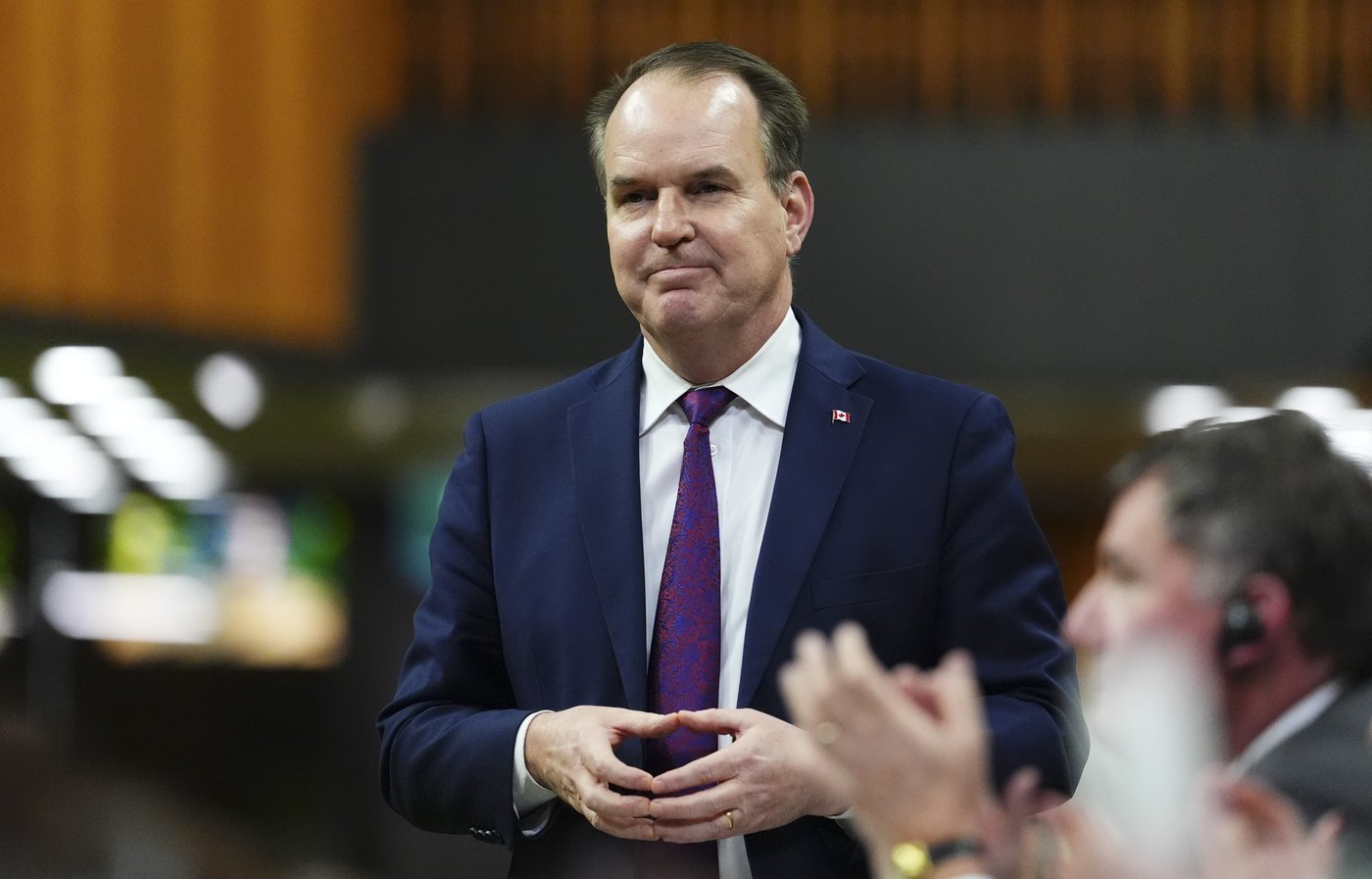
House of Commons rises for six-week holiday break

Dec 11, 2025 | 1:00 AM

OTTAWA — The House of Commons has started its winter break — without the government’s lengthy budget implementation bill becoming law.

House leader Steven MacKinnon told reporters outside the House of Commons Thursday the past 11 weeks of the fall sitting have seen “very hard work” by the government to protect jobs and reduce the cost of living.

“For the last three months, the Conservatives have adopted and executed a clear political strategy that is self-serving and selfish,” MacKinnon said.

“Their partisan strategy is simple: obstruct, obstruct, obstruct … But we did get results for Canadians, and we will continue to do that work when the House returns in the new year.”

Just before the House rose, MPs passed two pieces of legislation — C-4 and C-12 — which will now head to the Senate for consideration there.

Bill C-4 amends marginal personal income tax rates, eliminates the consumer carbon price and implements a temporary GST rebate for first-time homebuyers. The carbon price has been set to zero since April but this bill eliminates it through legislation.

Bill C-12, a revised version of a border bill, introduces new measures to help the Canada Border Services Agency tackle drug and gun smuggling and auto theft, as well as controversial changes to Canada’s refugee and asylum seeker regimes.

On Tuesday, NDP MPs Leah Gazan and Jenny Kwan joined with refugee and human rights advocates to implore the government not to pass the legislation. They called the legislation an attack on vulnerable people that will do little to make our borders safer but will fuel racism.

This was the first full sitting since Prime Minister Mark Carney took office in the spring and it saw MPs pass legislation to speed up major projects and remove interprovincial trade barriers.

Asked Wednesday how he thought this sitting of Parliament has gone, Carney noted his government doesn’t have a majority of seats in the Commons but said things are “functioning well,” citing the passage of the major projects bill in June.

He said Canadians “rightly” expect the government to make more progress and that he wants to get pending crime legislation passed as quickly as possible.

The Liberals and Conservatives spent much of the past week accusing each other of obstructing crime bills.

Bill C-9, a hate crimes bill, introduces new offences for intimidation and obstruction outside religious or cultural buildings. Bill C-14 would impose stricter bail rules for repeat and violent offenders.

Bill C-16, introduced earlier this week, restores mandatory minimum sentences previously struck down by the courts and introduces new measures to address hateful and controlling behaviour toward women and shield children from online predators.

Conservative House leader Andrew Scheer accused the Liberals of delaying the passage of their own legislative agenda and failing to work with other parties to tackle affordability concerns.

“For the past few weeks and months, we’ve seen all kinds of procedural tricks and games that Liberals have played that has had the effect of holding up their own agenda,” Scheer said. “It might be that after ten years of government, they are still not very good at governing.”

MacKinnon accused the Conservatives of acting as a barrier to getting legislation passed — including C-4, which ultimately passed the House on Thursday afternoon.

“I think there’s … some examples that can be pretty clearly demonstrated — that we’re not talking about debating the principle of the bill but rather talking it out so that the government can’t move a legislative priority forward,” MacKinnon said.

The Liberal budget itself passed the House of Commons in November, when the government survived a confidence vote with the backing of Green Party Leader Elizabeth May and the abstentions of two NDP and two Conservative MPs.

The bill to implement parts of that budget passed second reading on Wednesday, and will head to committee for study in the new year.

This report by The Canadian Press was first published Dec. 11, 2025.

Alessia Passafiume, The Canadian Press