The salmonella outbreak linked to pistachios is still ongoing. What you need to know

Dec 8, 2025 | 9:56 AM

As holiday baking season begins, federal health agencies are warning Canadians that an investigation into salmonella-contaminated pistachios is still ongoing.

Since March, 155 people have been reported sick with the bacterial illness after eating various brands of pistachios and pistachio-containing products, some as recently as November.

That includes 24 people who were hospitalized.

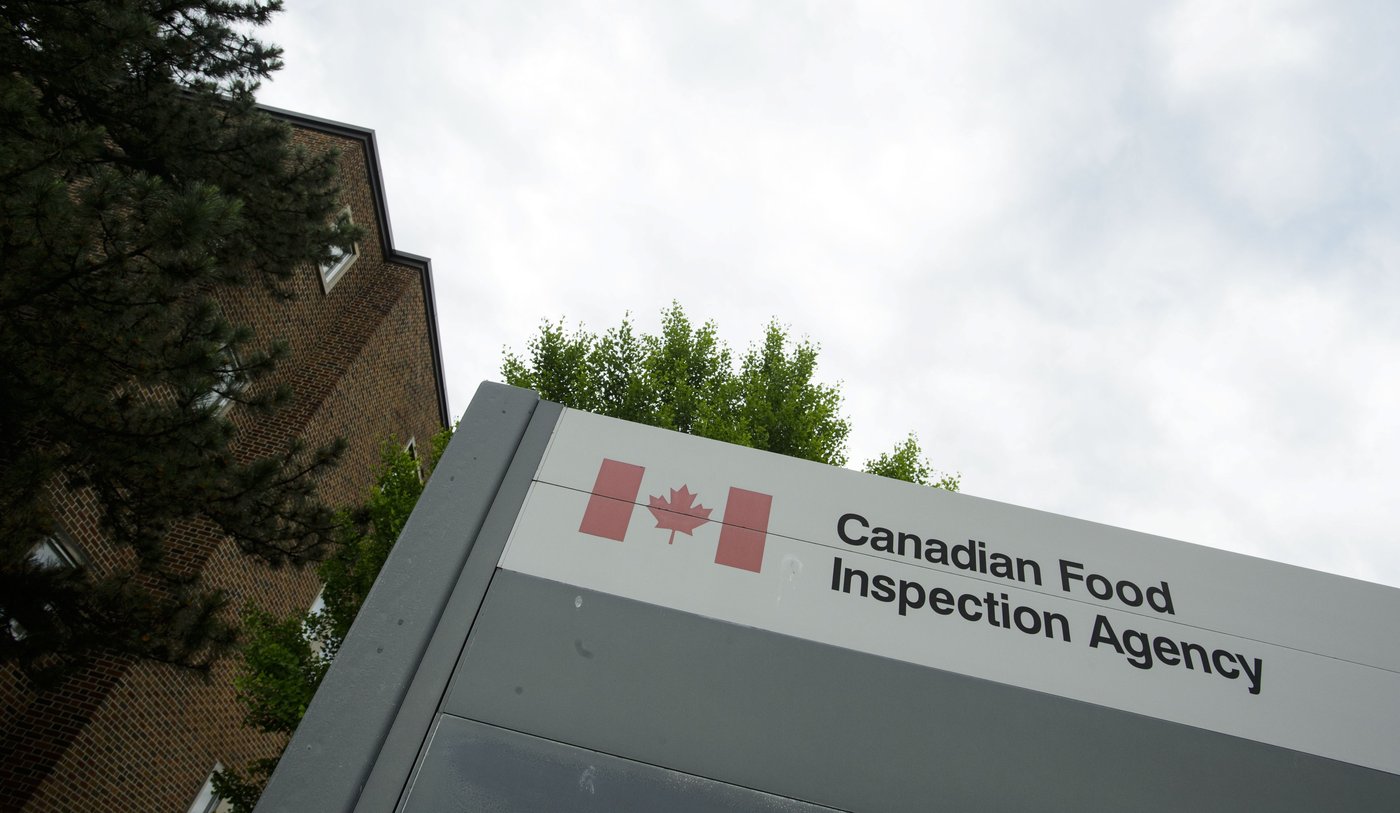
The Canadian Food Inspection Agency said there have been more than 160 recalls and they are linked to pistachios imported from Iran.

April Hexemer, director of the outbreak management division at the Public Health Agency of Canada, says this outbreak is taking longer than usual to control, in part because pistachios have a long shelf life, and they’re stored both in retail and at people’s homes. They are also widely distributed as part of a complex supply chain, and added as ingredients in products.

“This is a large salmonella outbreak, and it’s really been challenging to control,” Hexemer said in an interview Monday.

Hexemer said that while nuts imported from other countries aren’t affected, it’s not always easy to determine the country of origin.

For example, a nutty chocolate bar may say it’s “made in Canada” on the label, but the cocoa, sugar and pistachios in it may be from three different countries.

“We want people to be aware of that and to only use or consume the product if it can be identified where the pistachios are from. If that’s unknown, it’s safer to avoid,” Hexemer said.

The CFIA is encouraging Canadians to check their cupboards for pistachios and compare product details to recall notices.

A public health notice also says not to cook or bake with pistachios if it’s not clear where they came from, as heat may not kill salmonella.

Claudia Narvaez-Bravo, a professor in the department of food and human nutritional sciences at the University of Manitoba, says a standard oven at home is not reliable to kill the bacteria, especially if the nuts are clustered together, unevenly heated, or contain bacteria hidden inside microscopic cracks.

“When nuts are dried or roasted, the heat comes mostly from the surface inward. If Salmonella cells are located deep inside a crack or a protected area, the heat may not penetrate long enough or evenly enough to reach the temperatures needed to kill them,” Narvaez-Bravo said.

The CFIA implemented ban on pistachio imports from Iran in September. Last week it mandated federally licensed importers and manufacturers to hold and test Iran-imported pistachios for salmonella.

The federal agencies warn that food contaminated with salmonella may look or smell normal.

Most people who become ill recover fully on their own, but a salmonella infection can be serious for young children and people over 60, those with weakened immune systems and pregnant women. Common symptoms include vomiting, diarrhea, fever and chills.

This report by The Canadian Press was first published Dec. 8, 2025.

Canadian Press health coverage receives support through a partnership with the Canadian Medical Association. CP is solely responsible for this content.

Hannah Alberga, The Canadian Press