YOUR PERSPECTIVE: Innovation at work is powering British Columbia’s energy future through collaboration
-
Share on Facebook
-
Share on Bluesky
-
Share on X
- Copy Link
British Columbians expect a lot from their energy providers. We all want energy that is reliable, affordable and lower carbon. As our province grows, meeting British Columbia’s growing energy needs and climate goals will take innovation, practical solutions and collaboration to keep pace.
The way we produce, deliver and use energy is changing faster than at any time in recent history. Electrification, population growth and new technology are putting pressure on systems. At the same time, extreme weather events are testing the reliability of those systems. Balancing energy security with affordability and climate action has become one of B.C.’s defining challenges.
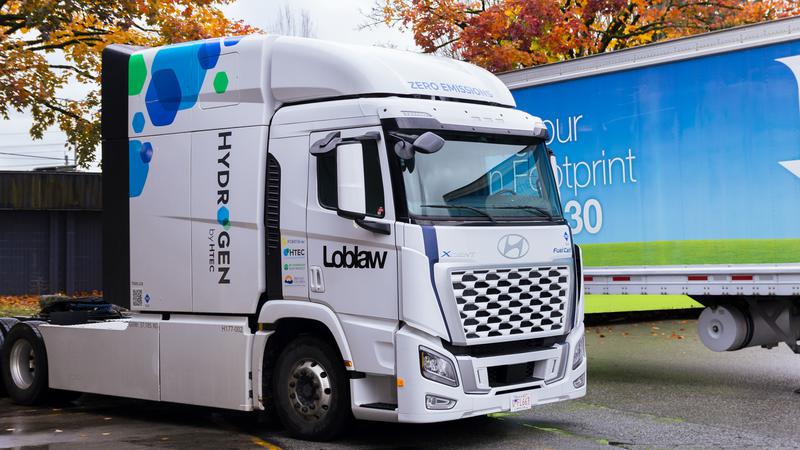
Innovation in energy isn’t about chasing the latest trends. It’s about finding practical solutions to real problems. That means helping people better manage their energy use, keeping systems resilient during storms, wildfires and heat waves, and planning for growth in ways that keep costs manageable for everyone. One recent example of this kind of innovation is the launch of B.C.’s first sustained commercial hydrogen-powered transport truck. In collaboration with Loblaw Companies Ltd., utilities and industry, this demonstration project is testing how hydrogen—a lower carbon fuel that offers the range and quick refuelling heavy freight requires—could play an important role in lower carbon transportation. Supported by FortisBC’s Clean Growth Innovation Fund, the truck has been operating regular retail routes between the Lower Mainland and Squamish. The project is collecting real-world data on performance, fuelling and operating conditions with the potential to help guide future hydrogen vehicle and infrastructure development in the province. It’s an early but important step in understanding where hydrogen can play a role.
Heavy-duty freight accounts for a significant share of transportation-related emissions, yet the sector’s unique energy demands make it one of the hardest to transition to lower carbon fuels. For B.C.’s freight and logistics industry, projects like this one have the potential to provide valuable insight into how emerging energy technologies can improve efficiency while lowering emissions. They also highlight the importance of pilot projects in generating data that can inform policy, guide investment and accelerate adoption where it makes sense.
