Secretary of state says Canada not looking to split submarine contract

Mar 5, 2026 | 7:10 AM

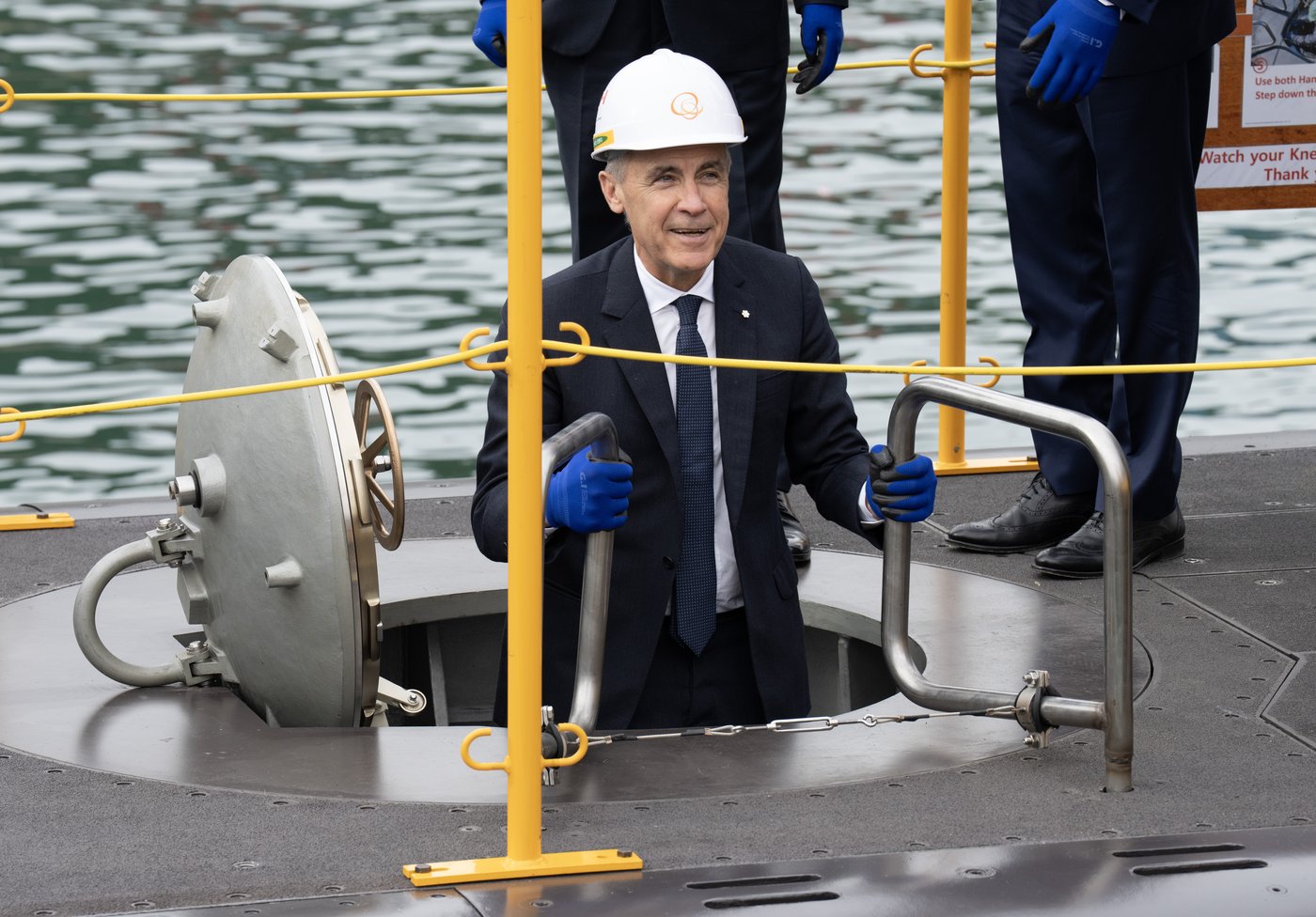
OTTAWA — If you didn’t already know about the heated competition to decide who will build Canada’s next fleet of submarines, a trip to the Conference of Defence Associations Institute’s annual gathering in Ottawa would leave no doubt.

Germany’s ThyssenKrupp Marine Systems is the event’s main sponsor. South Korea’s Hanwha Oceans is also a key sponsor, and each firm has set up miniature models of their subs in the Chateau Laurier hotel for passing Armed Forces members, bureaucrats and cabinet ministers to take a look at.

Canada’s secretary of state for defence procurement is touting the submarine contract as a success story as the government tries to reverse a trend of slow procurements that deliver behind schedule and over budget.

“Open, fair and transparent has always been the mantra of defence procurement — and no one ever thought to put timely in there,” Stephen Fuhr said during a keynote at the event on Thursday.

He also rejected recent media reports suggesting the government might split the contract, with Hanwha providing vessels for the Pacific Coast and TKMS supplying the Atlantic side.

“Right now, as we speak today, we’re looking for a partner. One,” he said.

He also said “things can change.”

Vice-Admiral Angus Topshee, the Navy’s commander, was also asked about a possible mixed fleet on Thursday during the conference.

“For a submarine acquisition, it is always going to be the most efficient to have a single class of fleet. Could we do it differently? Sure,” he said.

He added that Prime Minister Mark Carney was “pretty clear” when he said last fall that Canada won’t split the contract.

“And so until the prime minister tells me otherwise, we are planning for that,” he said.

Fuhr described the newly created Defence Investment Agency as the solution to the problem of having too many large government departments involved in procurement.

“That old process drove a million authority gates to reduce risk, and then we just got into risk avoidance instead of risk management,” he said.

The agency is currently under the umbrella of Public Service and Procurement Canada. Fuhr said it will be a stand-alone agency within several months, with authority over any procurement worth more than $100 million — though he added that floor will be lowered.

As for the submarine deal, he said it “could be the biggest procurement we ever do, if we get all 12 machines and we throw in infrastructure, and that thing’s moving at a speed no one thought it would move at.”

TKMS and Hanwha submitted final proposals to the government this week.

TKMS CEO Oliver Burkhard told The Canadian Press this week that the company would be open to a mixed fleet but would not recommend it.

“Don’t underestimate the side-effects, especially from the industrial package,” he said.

Burkhard noted that TKMS has a deal with a Quebec company to build some segments of the submarines in Canada, should it win the contract, but said it’s not clear if it would ramp up production locally for a fleet of six or eight subs instead of 12.

The Liberals have said the accompanying industrial and economic benefits the two firms are promising for Canada will be a deciding factor in choosing a winner. Industry Minister Mélanie Joly has said she wants to see automotive production as part of that final package of benefits.

In a written statement, Hanwha Ocean’s president Charlie SC Eoh did not take a firm stance on the idea of a mixed fleet, saying his focus is on presenting the strongest solution for Canada.

“What matters most is that Canada receives the submarine capability it needs on a realistic schedule, with strong value for taxpayers and a plan that can be delivered and sustained for decades,” he said.

The statement also noted Hanwha signed five new agreements with businesses and universities in Canada on Thursday for a variety of work on the submarines. Dozens of similar deals have been signed by both firms.

Burkhard said he expects the Canadian government to make a final decision on the contract by this summer.

This report by The Canadian Press was first published March 5, 2026.

Sarah Ritchie, The Canadian Press