Co-Management Agreement between Province and Shxw’ōwhámél First Nation for continued operation of Fraser River Debris Trap
-
Share on Facebook
-
Share on Bluesky
-
Share on X
- Copy Link
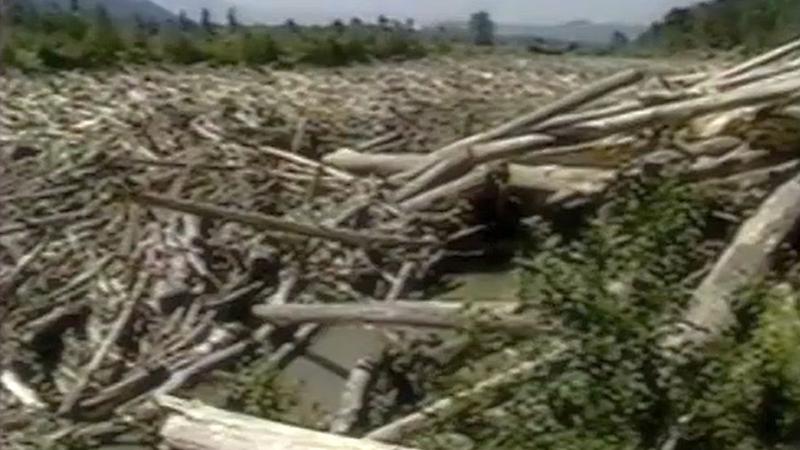
HOPE — In a groundbreaking move, the Province of British Columbia and the Shxw’ōwhámél First Nation have entered into a co-management agreement for the Fraser River Debris Trap., marking the first of its kind in the province. The landmark agreement is the first of its kind in the province and formalizes the collaborative oversight of the debris trap, a vital piece of infrastructure that has been intercepting debris for more than four decades.
Situated between Hope and Agassiz, the Fraser River Debris Trap reduces the volume of woody material that flows through the lower Fraser River and Salish Sea. Without the debris trap, the material could pose a significant threat to human safety, navigation, and downstream infrastructure. Additionally, the trap acts as a guardian of the environment by collecting various types of waste, including plastics, propane tanks, abandoned boats, and other floating debris.
Minister of Emergency Management and Climate Readiness, Bowinn Ma, hailed the agreement as a significant step towards reconciliation with First Nations. “This first-of-its-kind agreement is another step forward in advancing reconciliation with First Nations by recognizing and respecting the Shxw’ōwhámél’s jurisdiction, management, authority, and responsibilities within its territory,” Minister Ma said. “The Fraser River Debris Trap is a vital component for preventing damage along the river and exploring economic opportunities, which are shared interests of the Province and the Shxw’ōwhámél people.”
Under the agreement, the Shxw’ōwhámél First Nation will be actively involved in the stewardship of the debris trap, situated in the river alongside Shxw’ōwhámél reserve lands. This development paves the way for employment and economic growth opportunities for the First Nation and its members.
