YOUR PERSPECTIVE: Preparing for our future; a call to action
-
Share on Facebook
-
Share on Bluesky
-
Share on X
- Copy Link
Recent developments in British Columbia serve as a stark reminder of the challenges we face in combating the increasing frequency and intensity of extreme weather events. While we breathe a sigh of relief this week as evacuation orders related to wildfires in northeastern B.C. are lifted, we cannot afford to overlook the looming risk of devastating floods and fires impacting many areas in the province. As we see worsened air quality due to wildfires, and many people still displaced due to fires and floods, I emphasize the urgent need for proactive measures to safeguard our communities.
The wildfire that ravaged Lytton in 2021 highlighted the immense impact of these disasters, leaving the entire community in ruins and its residents struggling to rebuild their lives. It has been almost two years, yet the government’s response remains woefully inadequate — not just before the emergency, but also after. The promises of support have not materialized, betraying the trust of the people of Lytton. This failure should serve as a wake-up call to the government, emphasizing the necessity of robust disaster preparedness and effective response strategies.
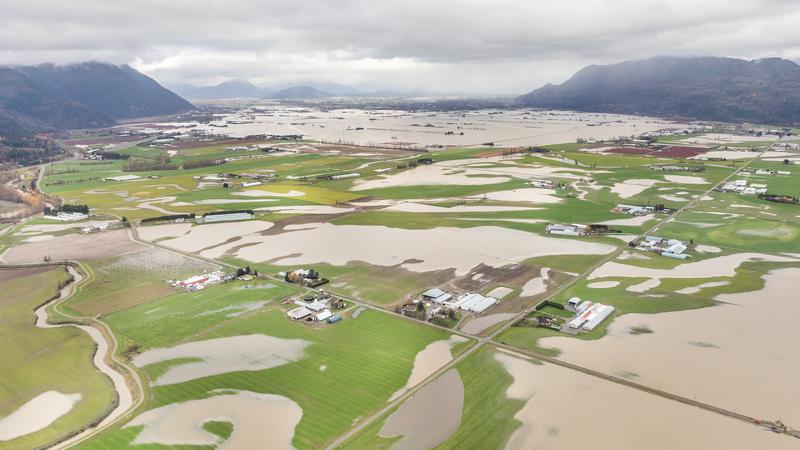
Right here in Abbotsford, we saw firsthand the damaging consequences of a reactive response to emergencies like the Sumas Prairie floods. This year, communities like Cache Creek and Okanagan Indian Band experienced the same. The current reactive approach to emergencies hampers our ability to protect these communities effectively. Flood mitigation plans, developed three years ago, should have been implemented earlier to prevent the disasters that the government is now scrambling to address — after the flooding has already begun. Meanwhile, cross-border flooding talks concerning Nooksack River flooding have yet to begin, a year after being announced. This slow progress on talks leaves our communities exposed to more potential danger.
Back in northeastern B.C., while the rain offers some respite from wildfires, it brings with it the potential for catastrophic flooding. The River Forecast Centre has issued flood watches for several regions, cautioning that the conditions resemble those of 2016 which resulted in extensive damage and evacuations. We must prioritize investment in resilient infrastructure, enhance emergency preparedness, and improve communication and response systems to safeguard our communities. We cannot afford to repeat history, and I hope this government has learned its lesson.
