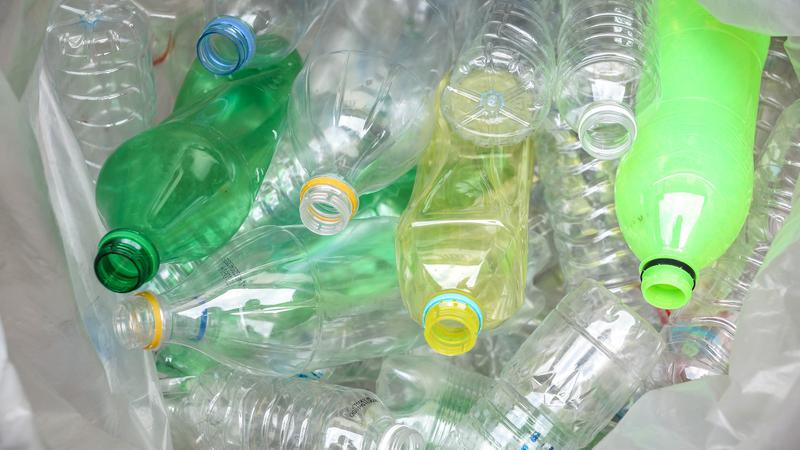
Image: Supplied by Dreamstime / The cities of Mission and Abbotsford have their sights set on reducing recycling contamination. The City of Mission said its rate of contamination is currently 9.71 per cent; it has to reduce its contamination rate by 25 per cent or face fines.
Mission recycling

Mission asks residents to cut down on recycling contamination, says city could lose money

Feb 8, 2023 | 11:13 AM

MISSION — The City of Mission has launched a new education campaign aimed at helping the municipality reduce contamination in curbside recycling by 25 per cent and meet Recycle B.C. requirements.

From snappy videos to new social media and website content to in-the-field recycling bin inspections, the campaign that kicked off this month is designed to simplify the recycling process by sharing practical and handy tips with residents.

Currently Mission’s curbside and multi-family recycling program has a contamination rate of 9.71 per cent.

“Caring for our environment is priority us here in Mission, and that’s why we have set ambitious goals for diverting waste away from our landfills,” said Mayor Paul Horn. “It only takes a moment to ensure that we are not contaminating our recyclables, but it has a major impact on keeping Mission green. Please make sure your recycling efforts aren’t going to waste and only put the good stuff in your bin.”

Through audits regularly conducted by Recycle B.C. in Mission, they have shared the top five contaminants found in both the curbside and multi-family recycling programs: garbage and food waste; non-packaging plastic products (ex. plastic storage bins, laundry hampers); non-packaging multi-material products (ex. binders, toys, car seats); hard and soft cover books; and textiles.

To find out where these items go and more, use the City’s Recycle Coach app.

The City says if it does not reduce contamination by 25 per cent by October 2023, there is a possibility of receiving a service level failure credit, which could result in a decrease in the financial incentive the city receives for collecting material on behalf of Recycle B.C.

According to Recycle BC audits of Mission’s recycling, approximately 207,211 kg of material placed in the recycling bins from May 2021 to August 2022 was material not accepted in the programs. This is referred to as contamination which presents significant operational and financial implications to the Recycle BC program. It can reduce the value of the recyclables and the ability to effectively recycle material.

The City of Abbotsford has embarked on a similar project to convince its residents to develop better recycling habits. However, the new challenge is to have people correctly categorize their recycling.

“While most residents in Abbotsford actively recycle, many don’t realize that some of the items they place in their blue bin end up contaminating the other items in there,” said Abbotsford Mayor, Ross Siemens.

According to Recycle B.C., approximately 14 per cent of items placed in blue bins, are not acceptable for curbside recycling and wind up in a landfill. The problem can be exacerbated when an item is sorted incorrectly and then contaminates an entire bin.

“Learning how to properly sort items … will in turn help to reduce our contamination rates and create a safer and more sustainable city,” said Siemens.

That’s important because civic officials say it must significantly reduce its level of contamination or non-accepted materials. The City has set a goal of reducing the total non-accepted materials by 25 per cent by October. Failing to meet the required level could result in fines to the City, an increase in recycling fees for taxpayers and even the possibility of collection refusal for some offending residents.